Finding the best TMS treatment for depression starts with evaluating qualified local providers who offer non-invasive brain stimulation. Transcranial magnetic stimulation is an FDA-cleared, outpatient option designed for adults with major depressive disorder who have not achieved sufficient relief from primary antidepressant medications.
By using targeted magnetic pulses to stimulate underactive mood-regulating areas of the brain, this therapy helps restore neural activity without the systemic side effects, sedation, or lengthy downtime associated with conventional drug therapies. Exploring qualified local clinical care makes it easier to evaluate personalized protocols, verify insurance coverage, and take a confident next step toward sustainable mental health relief.
Key Takeaways
- Transcranial magnetic stimulation offers an effective option when antidepressants fail to deliver sufficient relief.
- Reputable local clinics provide transparent guidance regarding treatment protocols, safety protocols, costs, and expected outcomes.
- Because therapy requires daily visits over several weeks, evaluating geographical convenience alongside clinical expertise is critical.
What Is TMS Treatment and Who Is It For?
TMS stands for transcranial magnetic stimulation, a therapeutic procedure that uses focused magnetic fields to stimulate nerve cells in brain regions responsible for mood control. The entire process requires no surgical incisions, no invasive lines, and no anesthesia. Clinical guidelines from Mayo Clinic highlight that doctors frequently suggest repetitive TMS (rTMS) after traditional depression treatments, such as oral medications and psychotherapy, prove ineffective.
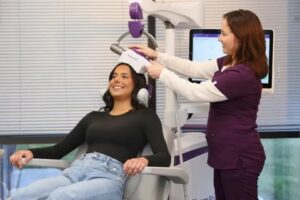
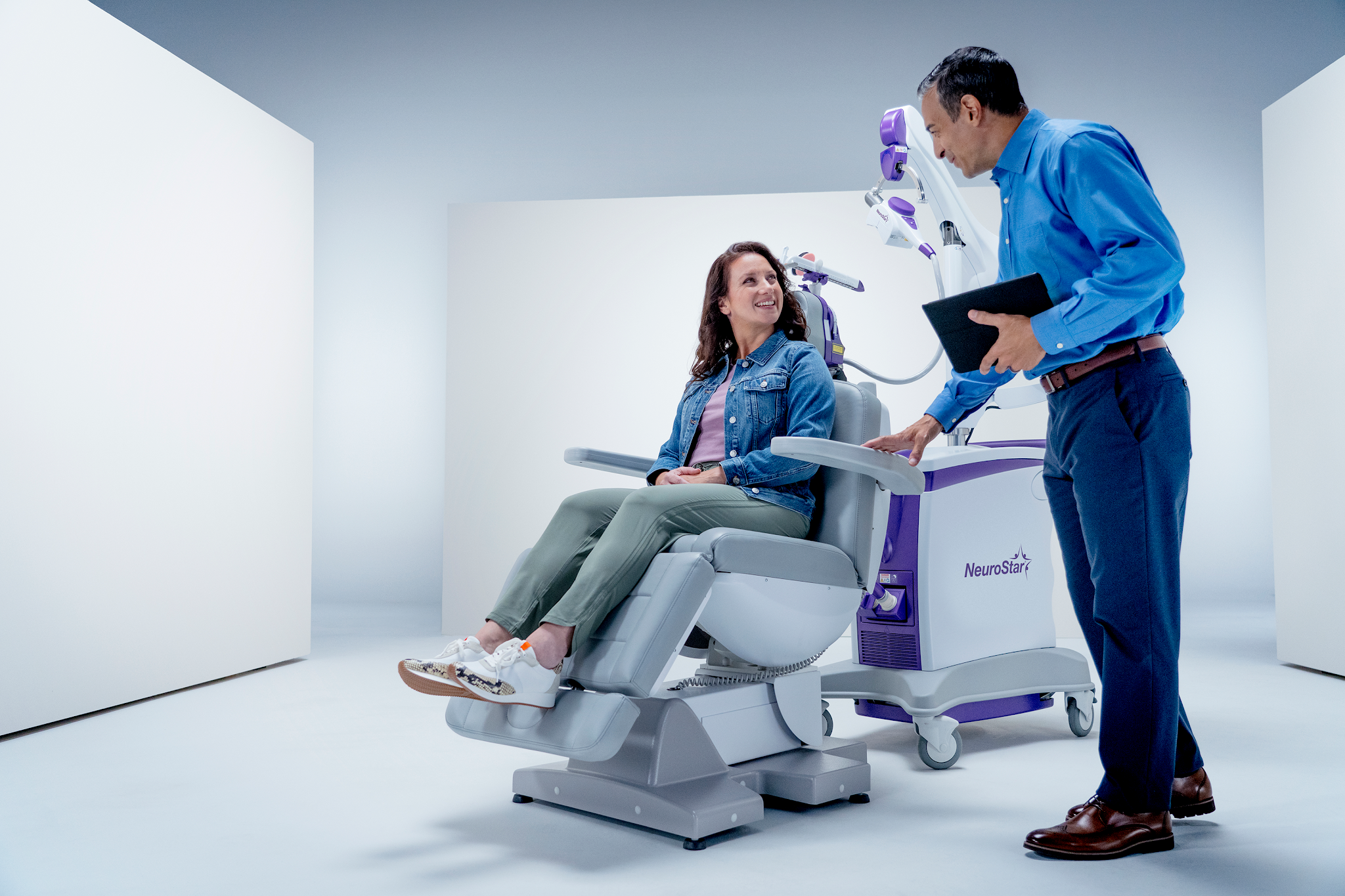
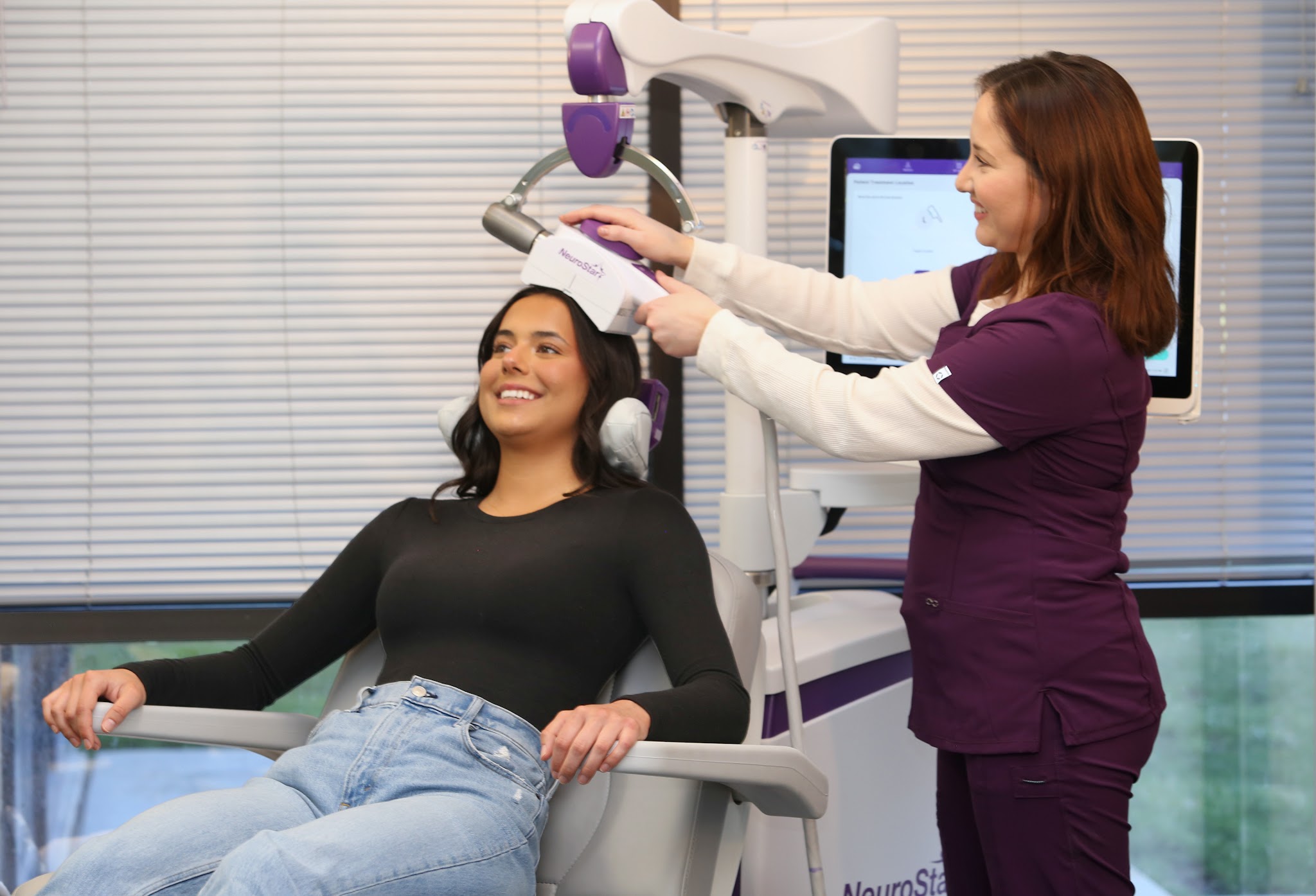
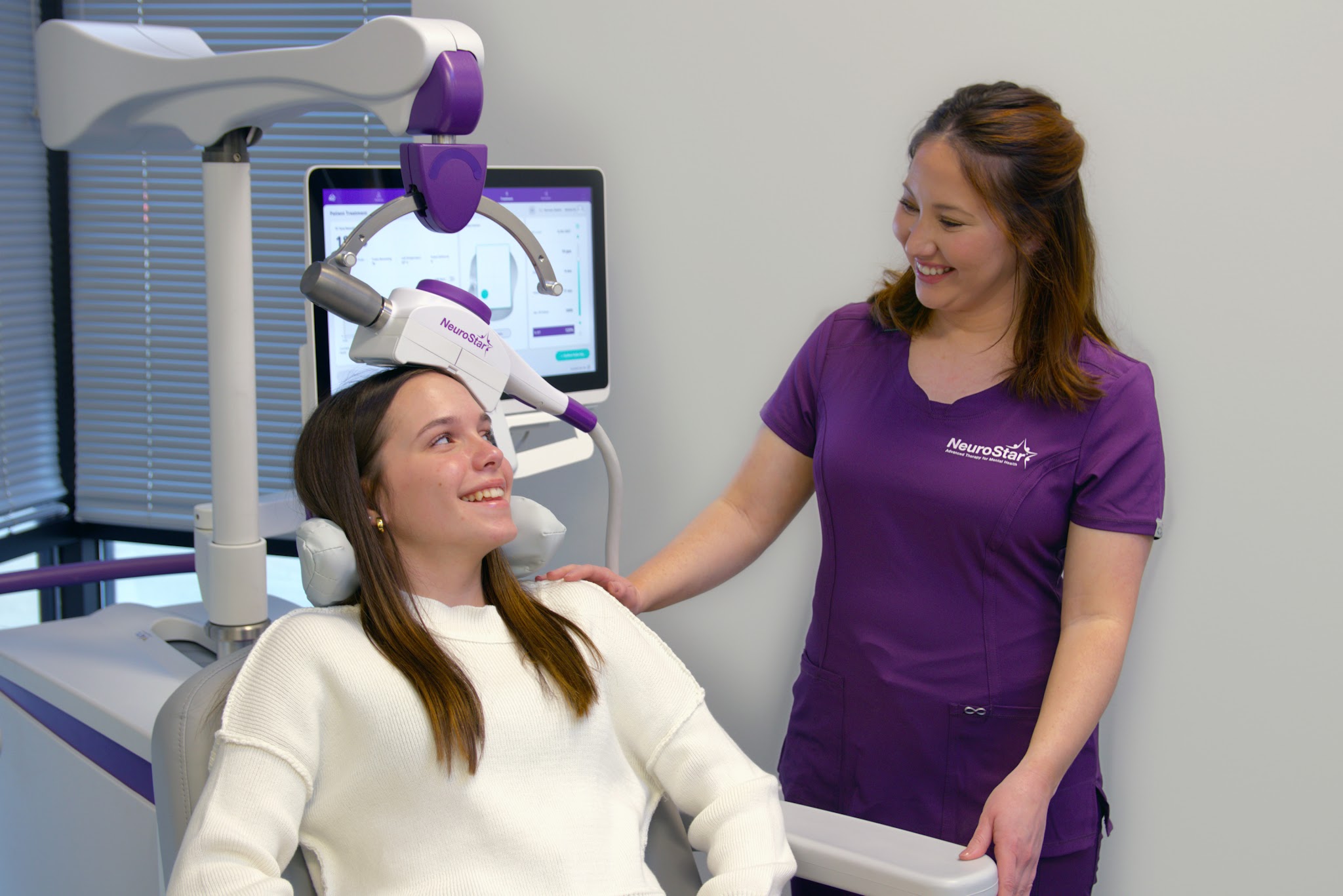
During a standard treatment session, an electromagnetic coil rests comfortably against your scalp near your forehead. The coil generates magnetic pulses that pass harmlessly through the skull to stimulate neurons in target areas. You remain completely awake, seated comfortably in a specialized chair throughout the outpatient visit.
The FDA cleared the first rTMS device for treatment-resistant major depressive disorder back in 2008. Groundbreaking psychiatric research, including the landmark NIMH STAR*D clinical study (2006), established that approximately one-third of individuals living with major depressive disorder fail to reach full remission through initial medication trials alone.
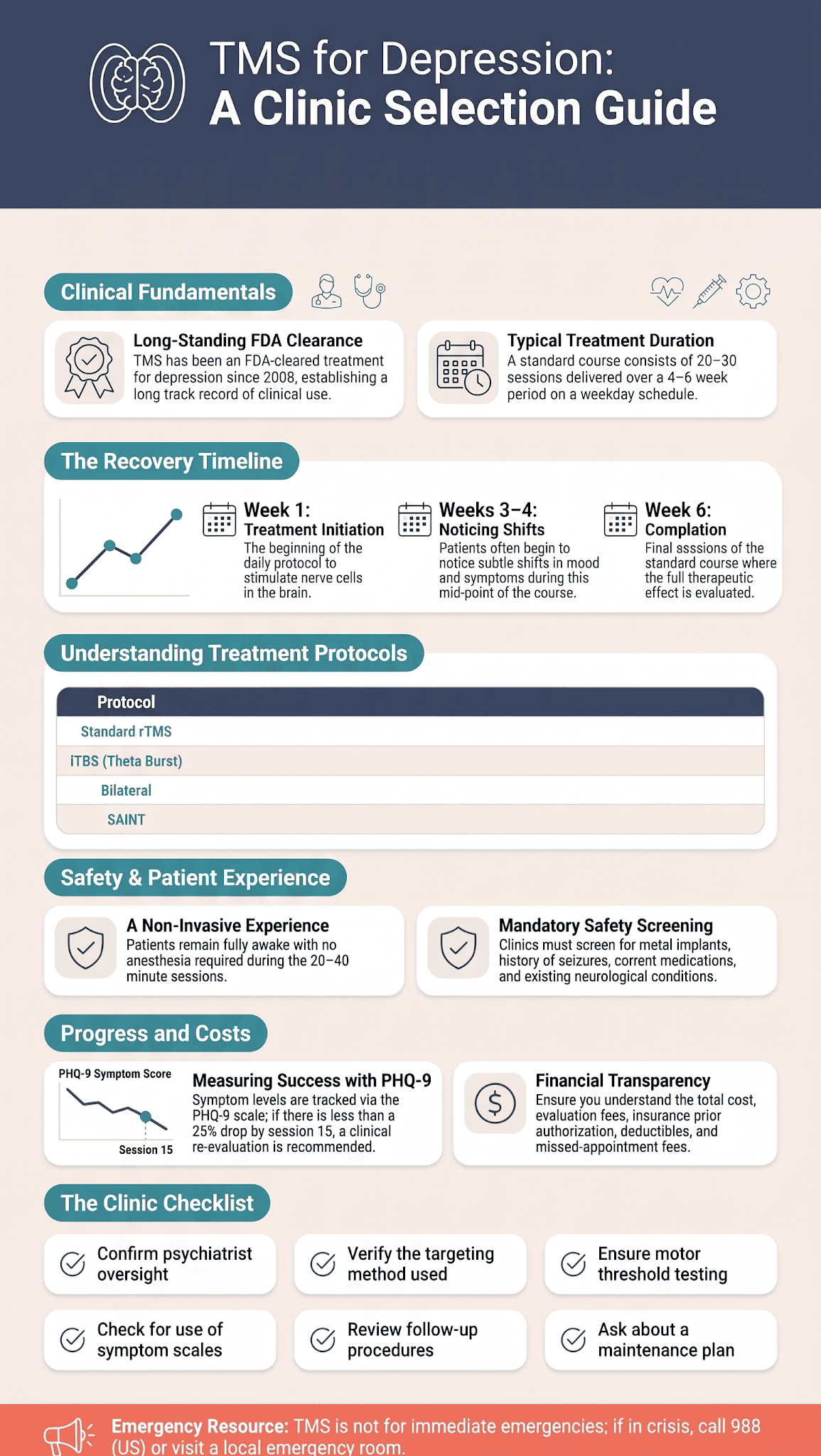
| Treatment Detail | What to Expect |
| Frequency | Weekdays |
| Overall Course | About 4-6 weeks |
| Session Count | Usually 20-30 sessions |
| Appointment Length | 20-40 minutes |
| Patient State | Awake throughout treatment |
| After Treatment | Return to normal daily activities |
As noted by National Institutes of Health
“FDA cleared TMS for major depressive disorder in adults resistant to antidepressant medications.” – National Institutes of Health
Before starting care, a board-certified psychiatrist conducts an in-depth clinical evaluation to confirm candidacy. Patients seeking targeted local care can learn more about our dedicated non-invasive TMS treatment for depression. At TMS of Tennessee, our clinical team utilizes the advanced NeuroStar system to deliver precise, individualized care tailored to your unique anatomical profile.
How Do You Choose the Best TMS Treatment for Depression?
When evaluating a prospective facility, ask the clinical staff how they determine coil placement and calculate electromagnetic intensity. A clinic that cannot explain its mapping methodologies clearly represents a significant red flag. For major depressive disorder, treatment targets the left dorsolateral prefrontal cortex (DLPFC), an area that shows decreased activity in depressed individuals. Clinics perform motor threshold testing during your initial mapping session to establish the precise magnetic output required for therapeutic benefit.
| Protocol | Typical Schedule | Ask Your Clinic |
| Standard rTMS | Often 4-6 weeks | How many sessions do you think I’ll need? |
| iTBS | Shorter sessions, different pulse pattern | Why would this work better for me? |
| Bilateral TMS | Treats both sides of the brain | Why treat both sides in my case? |
| SAINT | Multiple sessions a day for 5 days | Do you actually offer this, and am I a good fit? |
When comparing local providers, prioritize clinical supervision standards, coil-targeting accuracy, and formal symptom-tracking mechanisms rather than geographic convenience alone. For convenient access to local clinical care, explore TMS therapy in Franklin, TN to find a medical center that utilizes validated assessment scales, such as the PHQ-9, to measure clinical progress every few sessions.
What Side Effects and Safety Risks Should You Expect?
Most patients undergoing magnetic therapy experience mild, temporary side effects that diminish over the course of treatment. The most frequently reported feelings include temporary scalp discomfort, mild tension headaches, lightheadedness, or localized facial muscle twitching during the pulse delivery.
Insights from Mayo Clinic indicate
“Generally, repetitive TMS is safe and well tolerated, but it can still cause side effects.” – Mayo Clinic
To safeguard your health, clinicians must complete a rigorous medical screening prior to your initial mapping session. You must inform your clinical team if you have any of the following medical factors:
- Any metallic implants, conductive metals, or electronic medical devices located in or near your head or neck.
- A personal or family history of epilepsy, clinical seizures, or structural brain lesions.
- Current psychiatric or neurological medications that might alter your seizure threshold.
Transcranial magnetic stimulation maintains an exceptional safety profile, but achieving optimal clinical safety requires thorough diagnostic screening before beginning your treatment regimen.
What Evidence and Success Rates Support TMS Therapy?
While magnetic pulse therapy helps many adults overcome treatment-resistant depression, individual outcomes vary based on medical history and protocol adherence. An FDA summary report (2018) evaluating TMS devices in patients presenting with comorbid depression and anxiety demonstrated significant clinical improvements compared to sham treatment controls. Furthermore, a comprehensive clinical meta-analysis of over 100 trials published in 2025 confirmed that active rTMS significantly outperforms sham stimulation, making patients two to three times more likely to achieve measurable clinical response.
When reviewing clinical literature, understand how different sources present treatment efficacy:
- FDA Official Documents: Provide regulatory clearance details, safety specifications, and approved medical indications.
- Academic University Research: Delivers unbiased statistical outcomes and controlled clinical trial results.
- PubMed Database: Features peer-reviewed studies detailing therapeutic efficacy and biological mechanisms.
- Social Media Outlets: Share personal anecdotal stories that lack controlled scientific validation.
Your personal results depend on baseline symptom severity, physiological factors, and consistent attendance. Leading clinical facilities rely on objective measurement tools rather than subjective feedback to track your progress throughout care.
How Much Does TMS Cost and Does Insurance Cover It?

The total financial investment for care varies based on prescribed protocol length, regional geographical pricing, and individual health insurance benefits. Securing insurance coverage typically requires documented medical records showing that previous trials of antidepressant medications failed to produce adequate therapeutic improvement.
Key financial items to clarify with your clinic’s administrative team prior to treatment include:
- Total estimated treatment costs, including initial brain mapping and consultation fees.
- Specific prior authorization documentation requirements set by your insurance provider.
- Anticipated out-of-pocket expenses, including deductibles, co-pays, or co-insurance responsibilities.
- Policy guidelines regarding long-term maintenance or periodic booster sessions.
If you are evaluating treatment options for co-occurring conditions, review policy guidelines for conditions like ADHD and ADD treatment to understand how broader mental health diagnoses affect insurance coverage decisions.
What Happens If Symptoms Persist or an Emergency Occurs?
If your depression symptoms show no noticeable improvement after 15 to 20 completed visits, your attending psychiatrist should re-evaluate your treatment protocol rather than simply adding sessions. Clinical modifications may involve adjusting magnetic intensity, shifting to theta burst stimulation, or addressing co-occurring sleep issues and anxiety disorders. Many individuals also evaluate long-term symptom management and ask can depression come back after TMS; participating in structured follow-up care and maintenance sessions can effectively manage potential symptom recurrence.
Emergency Safety Notice:
Transcranial magnetic stimulation is a planned, elective outpatient procedure and is not designed for acute crisis management. If you are experiencing a mental health emergency, intense distress, or thoughts of self-harm, call or text 988 immediately to connect with the Suicide & Crisis Lifeline, proceed to the nearest hospital emergency room, or contact emergency medical services without delay.
Choosing Your Next Step for TMS Treatment
Undergoing magnetic brain stimulation requires a commitment of several weeks to attend daily outpatient sessions, complete safety screenings, and track clinical progress. When evaluating potential clinics, verify physician oversight standards, device targeting precision, transparent cost structures, and progress measurement tools. Selecting care based on clinical excellence ensures a far better treatment outcome than choosing a facility based solely on geographic proximity.
If you are exploring care options, TMS of Tennessee provides a supportive environment to learn about advanced therapy options. Discuss whether this specialized treatment fits your clinical goals with a qualified healthcare provider. Visit TMS of Tennessee today to schedule your personalized consultation.
Frequently Asked Questions
Is TMS a treatment for major depressive disorder?
Yes, TMS is an FDA-cleared outpatient treatment option for major depressive disorder in adult patients when primary medication therapies have not provided adequate symptom relief.
How long does TMS treatment for depression take?
A full course of treatment typically lasts 4 to 6 weeks, featuring short daily sessions scheduled Monday through Friday.
How do I find a TMS treatment for depression near me?
To find TMS treatment for depression, start by consulting board-certified psychiatrists, checking local clinical reviews, verifying insurance coverage, and confirming that the clinic uses advanced coil-targeting methods.
Is TMS covered by health insurance plans?
TMS is covered by most major private insurance plans and Medicare when patients meet specific medical necessity criteria and complete prior authorization requirements.
What are the most common TMS side effects?
The most common side effects include mild scalp discomfort, temporary tension headaches, lightheadedness, and minor facial muscle twitching during session delivery.
References
- https://pmc.ncbi.nlm.nih.gov/articles/PMC12479554/pdf/702_2025_Article_2944.pdf#3#1
- https://www.mayoclinic.org/tests-procedures/transcranial-magnetic-stimulation/about/pac-20384625