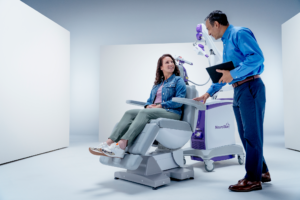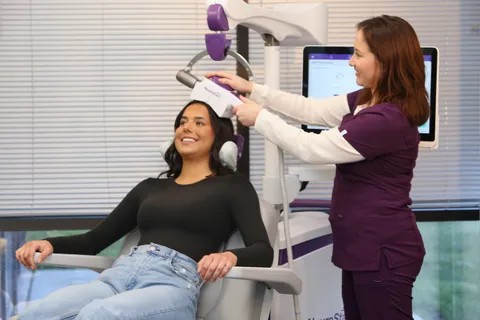
Transcranial magnetic stimulation (TMS) is an FDA-cleared, non-invasive treatment that uses magnetic pulses to stimulate mood-regulating brain regions for adults with major depressive disorder (MDD) who have not found relief from medication. Choosing the right clinic involves evaluating clinical protocols, safety screenings, and coverage details. TMS of Tennessee helps patients assess treatment plans, side effects, and insurance benefits.
Key Takeaways
- TMS is an FDA-cleared, non-invasive treatment for certain conditions, including MDD.
- Compare clinics beyond location. Check treatment plans, safety, devices, insurance, and follow-up care.
- Plan before treatment. Review your history, coverage, costs, side effects, and treatment schedule.
What to Know Before Choosing a Local TMS Clinic
Finding a TMS clinic involves more than looking for the closest office. A clinician needs to review your diagnosis, treatment history, medical history, and safety factors before treatment can begin.
For depression, the evaluation usually focuses on major depressive disorder (MDD) and how you have responded to previous treatment, as well as whether co-occurring mental health challenges could benefit from specialized anxiety treatment. This may include antidepressant medications and psychotherapy. Your provider may also ask about current medications and other medical conditions.
The American Psychiatric Association includes brain stimulation treatments among options that may be considered when standard treatments have not provided enough relief. Insurance companies can set their own coverage rules, though. So, meeting clinical criteria does not always mean an insurer will approve treatment.
Before your first visit, gather your medication history and previous psychiatric records. Have your insurance information ready, too. This can help the clinic determine what documentation it needs.
A useful clinic checklist includes:
- Treatment for MDD
- Candidacy screening
- FDA-cleared device information
- Insurance verification
- Prior authorization support
- Treatment schedule
- Safety screening
- Follow-up planning
Ask about the full process before booking treatment. That is worth doing because TMS usually involves repeated visits over several weeks.
How Does TMS Therapy Work for Depression?
TMS uses a magnetic coil placed against the scalp. The coil sends magnetic pulses into a targeted area of the brain. These pulses produce electrical activity in the outer layer of the brain, called the cerebral cortex.
When undergoing non-invasive depression TMS protocols, treatment commonly targets an area of the prefrontal cortex. The exact location and stimulation strength are set for the individual patient.
Treatment begins with mapping. During this visit, the clinician identifies the treatment location and measures the patient’s motor threshold. This measurement helps determine the amount of stimulation used during treatment.
After mapping, the patient sits in a treatment chair while the coil is placed against the scalp. The device then delivers repeated magnetic pulses based on the prescribed protocol.
You stay awake during treatment. No general anesthesia is needed, which also means TMS is different from electroconvulsive therapy (ECT).
Progress is monitored throughout the course. Your clinician may ask about changes in depressive symptoms and any side effects. Standard tools, such as the PHQ-9, can also help track symptoms over time.
Common TMS approaches
| Approach | Basic description |
| Standard rTMS | Repeated magnetic stimulation using a prescribed protocol |
| Deep TMS | Uses an H-Coil system designed to reach broader and deeper brain regions |
| iTBS | A theta-burst protocol that can use shorter stimulation sessions |
Different TMS systems have different FDA-cleared indications. NeuroStar and BrainsWay are examples of systems used in clinical practice, but the device name alone does not determine whether treatment is appropriate.
So, ask which device the clinic uses and why it fits your diagnosis. The FDA’s device records list multiple clearances for NeuroStar systems, including a 2022 clearance for the NeuroStar Advanced Therapy system.
The treatment plan should be based on your diagnosis and treatment history, not on the brand of the device.
Who Is a Candidate for TMS, and What Safety Issues Matter?

TMS may be considered for adults with MDD who have not had enough improvement from antidepressant treatment. But candidacy is determined through an individual clinical evaluation.
The NeuroStar Advanced Therapy System has an FDA-cleared indication for adults with MDD who did not achieve satisfactory improvement from previous antidepressant treatment during the current episode. The system also has an FDA-cleared indication for adjunctive treatment of obsessive-compulsive disorder (OCD).
Your evaluation may include:
- Previous antidepressant use
- Treatment response
- Previous psychotherapy
- Current medications
- Relevant medical conditions
- Implanted medical devices
- Metallic implants near the head
- Factors that may affect seizure risk
Safety screening matters because TMS uses a strong magnetic field. Certain metallic or electronic implants can create safety concerns. Some brain implants and cochlear implants may also require special consideration.
Seizure risk is another factor your clinician will review. Seizures are uncommon with TMS, but the risk is not zero. The treatment settings, medical history, and device instructions all matter.
In a recent analysis by the International Federation of Clinical Neurophysiology’s expert safety guidelines published in Clinical Neurophysiology:
“The occurrence of seizures (i.e., the most serious TMS-related acute adverse effect) has been extremely rare, and the risk is low even in patients taking drugs acting on the central nervous system, at least with the use of traditional stimulation parameters and focal coils for which large data sets are available.” — NCBI PubMed
Safety screening should happen before treatment begins. Do not rely on online testimonials to decide whether TMS is suitable for you. Patient experiences can vary, and they cannot replace a medical evaluation.
TMS is also not appropriate for every psychiatric condition. The selected device and protocol must have an applicable FDA clearance for the condition being treated.
And an FDA-cleared device does not mean every patient will have the same response. Treatment outcomes vary between individuals.
If you are exploring local depression treatment options, a formal evaluation is the next step. A qualified clinician can review your history and determine whether TMS may be appropriate.
How Can Insurance and Costs Affect TMS?
Insurance coverage for TMS can depend on your diagnosis, treatment history, insurance plan, network status, and prior authorization rules.
As noted by a guidance article in Psychiatric News (published by the American Psychiatric Association),
“While all major commercial insurers cover TMS, the proper updated coverage policies can be difficult to find and navigate, and they have very difficult coverage criteria. This creates a confusing matrix of who is appropriate for TMS, who meets medical necessity criteria, and who has access to TMS therapy.” — PsychiatryOnline
Medicare policies can also differ by jurisdiction. Some Medicare Local Coverage Determinations include requirements for adults with MDD and may require documentation of previous medication treatment.
Before treatment, ask the clinic and your insurer about these points:
| Question | What to check |
| Prior authorization | Is approval needed first? |
| Treatment history | What records are required? |
| Network status | Is the clinic in-network? |
| Patient costs | What deductible or copay applies? |
| Denial | What happens if coverage is denied? |
Insurance rules can change. A policy from one insurer or Medicare contractor should not be treated as the rule for every patient.
You should also ask about the estimated cost of the full treatment course, not only the cost of one visit. TMS often involves many appointments, so the total patient responsibility can be different from the price of a single session.
TMS of Tennessee can explain its insurance verification process and discuss what documentation may be needed. That information can help you plan before treatment starts.
Most people do not want a surprise bill halfway through treatment. Ask about costs early.
What Is TMS Actually Like During Treatment?
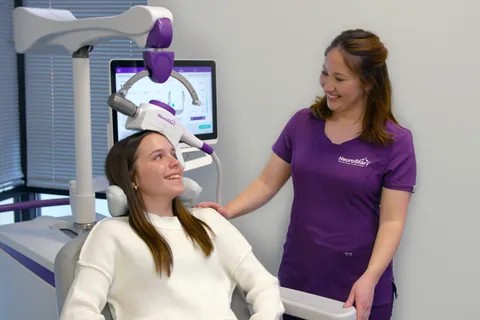
TMS is given as an outpatient treatment. You remain awake during each session, and there is no need for general anesthesia or sedation.
A typical NeuroStar treatment for depression may use about 19 minutes of stimulation per session. The total appointment can take longer because the clinician needs to position the coil and complete other parts of the visit. Treatment schedules vary by device and protocol.
TMS of Tennessee describes treatment in Franklin with brain mapping and a schedule that commonly involves five visits per week for about seven weeks.
That is a real time commitment.
During a session, you sit in a treatment chair while the magnetic coil rests against your scalp. The clinician positions the coil and uses the settings established during your evaluation and mapping visit.
You may hear clicking sounds and feel tapping on the scalp as the magnetic pulses are delivered. Some patients have temporary scalp discomfort or a headache after treatment. Your treatment team should tell you which symptoms to report.
Serious side effects are uncommon, but seizures can occur. FDA-cleared device labeling includes safety warnings and precautions that clinicians should review before treatment.
Your daily schedule also matters. If you work full time, attend school, or have family responsibilities, five appointments each week can take planning. Ask about appointment times before you commit to a course of treatment.
Some patients also report changes in symptoms during treatment. The phrase “week 3 dip” is sometimes used in patient communities to describe a temporary change in symptoms during the course. It isn’t a universal clinical stage, and not every patient experiences it.
If your depression gets worse or you develop a new symptom, tell your treating clinician. Do not assume that a change is part of the expected course.
What a treatment course may include
- Initial psychiatric evaluation
- Medical and treatment history review
- Safety screening
- Motor-threshold mapping
- Repeated treatment sessions
- Symptom monitoring
- Follow-up evaluation
Your clinician can adjust the plan when needed. The exact schedule depends on the device, protocol, diagnosis, and clinical response.
How Should You Compare Local TMS Clinics?
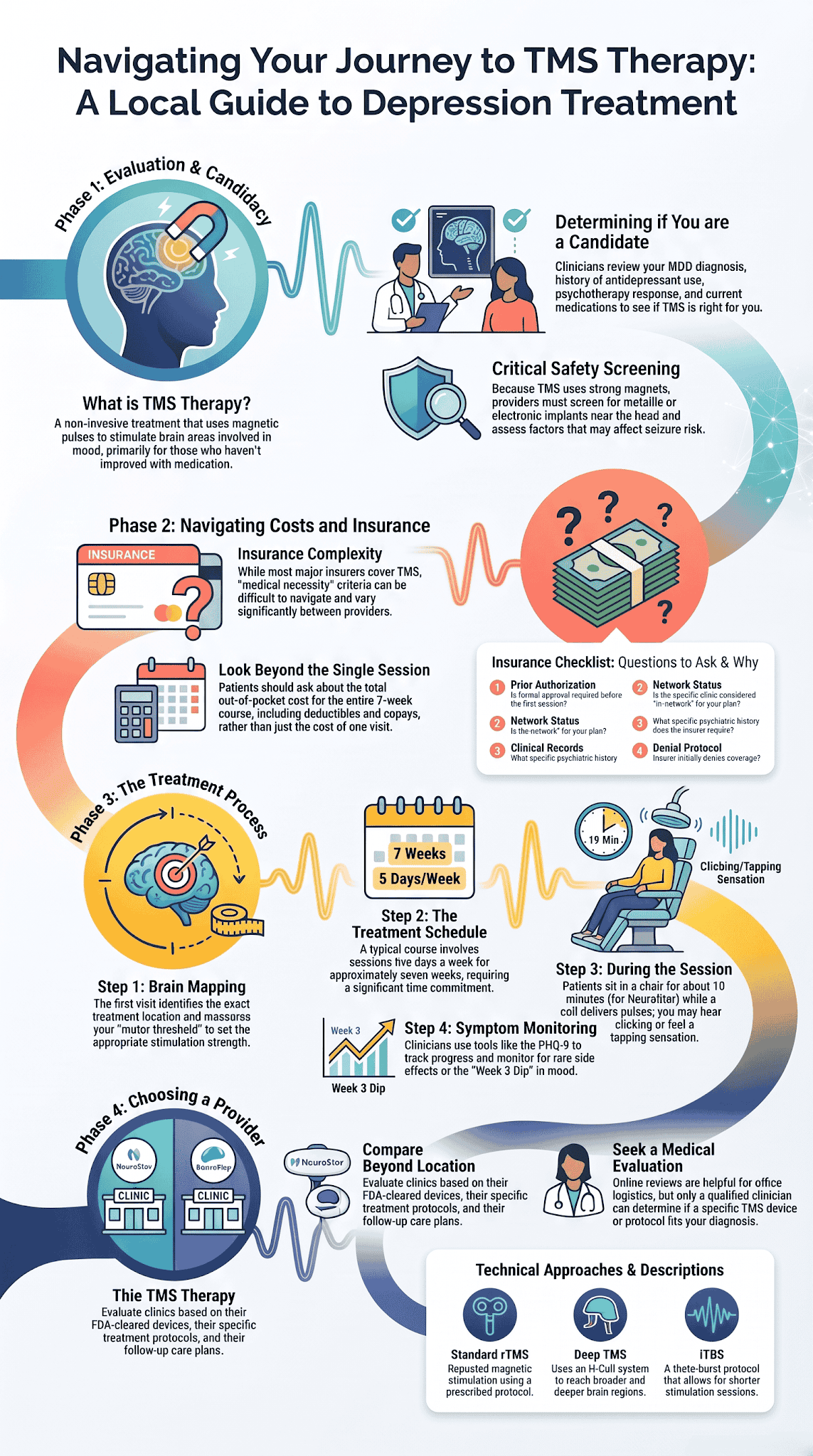
Location matters, but it should not be the only factor. A clinic should be able to explain its treatment process, safety screening, device selection, and follow-up plan.
The Clinical TMS Society offers professional resources about TMS. You can also ask a local clinic who evaluates patients, who performs the treatment, how stimulation settings are selected, and how progress is measured.
When comparing local TMS clinics, use the same questions for each provider. This makes it easier to understand differences in care.
Consider asking about:
- FDA-cleared devices
- Treatment protocols
- Clinical evaluation
- Motor-threshold mapping
- Safety screening
- Symptom tracking
- Insurance support
- Prior authorization
- Expected treatment length
- Follow-up care
- Possible maintenance treatment
- Out-of-pocket costs
The device should match the medical indication, whether addressing major depressive episodes or exploring applications like dedicated PTSD treatment. NeuroStar, BrainsWay, and other systems have different FDA-cleared indications and technical features.
So, ask why a particular system and protocol are being recommended. A medical explanation is more useful than a brand name by itself.
Online reviews can tell you about things such as scheduling or office communication. They cannot determine whether TMS is medically appropriate for you. That decision requires an evaluation by a qualified clinician.
What Questions Should You Ask a TMS Clinic?

Bring questions to your consultation. You do not need to remember everything during the appointment, so writing them down beforehand can help.
Ask:
- Do I meet the clinical criteria for TMS?
- What treatment history do you need?
- Which FDA-cleared device do you use?
- Why is that device appropriate for my diagnosis?
- Which treatment protocol will you use?
- How is motor threshold measured?
- How long does each appointment take?
- How many sessions are expected?
- How will my symptoms be tracked?
- What side effects should I report?
- Who should I contact between appointments?
- What happens if symptoms do not improve?
- Will follow-up treatment be needed?
- Does my insurance require prior authorization?
- What records does my insurer need?
- What may I have to pay?
Clear answers matter.
TMS of Tennessee is one local provider patients may include in their comparison. The Franklin practice describes treatment with NeuroStar Advanced TMS Therapy, brain mapping, outpatient sessions, and assistance with insurance and financing questions.
Before scheduling, ask the clinic to explain the full process from evaluation through follow-up. You should know who will oversee your care and what happens if the initial treatment plan needs to change.
TMS Scheduling: What to Consider Before Treatment
If you’re considering TMS, you may have questions about whether you’re a good candidate, what treatment involves, and how often you’ll need to visit the clinic. Your medical history, past treatments, and safety factors should be reviewed first. Insurance approval is a separate step, so your provider may need treatment records before sessions can begin. TMS also requires regular appointments over several weeks, and results can vary from person to person.
The next step is a consultation with a qualified provider. TMS of Tennessee offers NeuroStar Advanced TMS Therapy in Franklin and can help with treatment planning and scheduling. Contact TMS of Tennessee to discuss whether TMS may be appropriate for you, what treatment may involve, and what costs or insurance requirements to expect.
If you or someone you know is experiencing a mental health crisis or thoughts of self-harm, call or text the Suicide & Crisis Lifeline at 988 for immediate, confidential support.
FAQs
How do I find quality TMS therapy for depression near me?
A qualified provider can assess whether TMS is appropriate after reviewing your diagnosis, past treatments, medications, and medical history. The visit should also include a safety screening and a discussion of other treatment options. Since each patient is different, an evaluation is needed before treatment begins.
What should I ask a TMS treatment provider before starting?
Ask about the treatment schedule, number of sessions, possible side effects, safety screening, follow-up care, and expected costs. Also ask whether your insurance requires prior authorization. These questions can help you understand what treatment will involve before you begin.
How should I compare local TMS providers before starting treatment?
Look at the provider’s qualifications, evaluation process, treatment plan, safety screening, and follow-up care. Ask about appointment times, treatment frequency, insurance, and out-of-pocket costs. A consultation can tell you more about the care you may receive than online reviews alone.
What can I expect during my first visit to a TMS treatment center?
Your first visit will usually include a review of your depression diagnosis, past treatments, current medications, and medical history. The provider will also review safety concerns and discuss whether TMS may be suitable for you. You can ask about session length, treatment frequency, side effects, and costs.
How can I find the right option for transcranial magnetic stimulation?
Compare providers based on their evaluation process, treatment schedule, safety screening, follow-up care, appointment availability, and costs. The provider should explain how TMS is delivered and what you can expect during treatment. A consultation can then help determine whether TMS fits your diagnosis and treatment needs.
References
- https://pubmed.ncbi.nlm.nih.gov/?term=TMS+in+a+psychiatric+practice#1
- https://psychiatryonline.org/doi/full/10.1176/appi.pn.2021.10.36