Comparing TMS Therapy vs. Medications highlights two distinct clinical methods for managing clinical depression. While oral antidepressants alter chemical signaling throughout your entire body, transcranial magnetic stimulation delivers focused magnetic energy straight to mood-regulating brain networks. Choosing the right option depends on your medication tolerance, symptom severity, and overall medical history. Read on to explore how these therapies differ in side effects, clinical schedules, and day-to-day effectiveness.
Key Takeaways
- TMS and antidepressants work differently. TMS stimulates targeted brain regions without requiring daily medication, while antidepressants affect neurotransmitter signaling throughout the body.
- Effectiveness and side effects vary. TMS may be considered when antidepressants have not provided sufficient relief, but neither treatment guarantees improvement or remission.
- Your treatment history matters. A clinician can help compare the potential benefits, risks, time commitment, and costs of each option based on your medical history and treatment goals.
What Is the Difference in TMS Therapy vs. Medications?
TMS stimulates specific brain circuits, while antidepressants influence neurotransmitter signaling throughout the brain and body. Both treatments can reduce depressive symptoms, but they differ in how they are delivered, their potential side effects, and the time commitment involved.
| Factor | TMS therapy | Antidepressant medications |
| How it works | Magnetic pulses stimulate targeted brain regions | Alters neurotransmitter signaling |
| Treatment format | Outpatient clinic sessions | Usually taken daily |
| Typical schedule | Often five sessions per week over several weeks | Daily dosing with regular follow-up |
| Common side effects | Headache and scalp discomfort | May include nausea, fatigue, sleep changes, or sexual dysfunction |
| Convenience | Requires repeated clinic visits | Usually easier to manage at home |
| Common treatment role | Often considered after inadequate improvement with antidepressants | Frequently used as an initial treatment |
| Ongoing care | Follow-up and additional treatment may be needed | Continued treatment or supervised medication changes may be needed |
Because TMS is noninvasive and requires no sedation, it does not carry the whole-body side effects linked to oral pharmaceuticals. Oral antidepressants provide the convenience of daily at-home care and remain a trusted foundation for many individuals. For patients seeking a focused approach without whole-body systemic absorption, TMS offers a gentle, non-pharmacological pathway to discuss with a clinician.
What Is TMS Therapy, and How Does It Treat Depression?

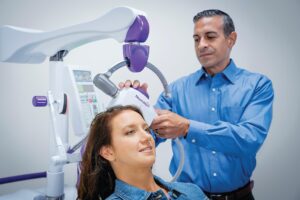
Transcranial magnetic stimulation, or TMS, uses a magnetic coil placed against the scalp to deliver pulses that stimulate nerve cells in brain regions involved in mood regulation. For depression, treatment commonly targets the dorsolateral prefrontal cortex, which plays a role in mood and cognitive function.
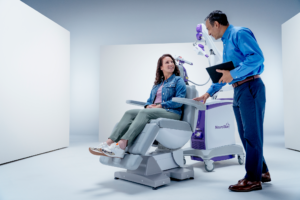
TMS is performed in an outpatient setting while the patient remains awake. The clinician positions the coil and adjusts the stimulation according to the treatment plan. General anesthesia is not required, and many patients can return to their usual activities after a session.
TMS of Tennessee offers NeuroStar Advanced Therapy for eligible patients in Franklin and the surrounding Middle Tennessee area. The clinic describes a typical treatment course of approximately five sessions per week for seven weeks, with sessions often lasting around 19 minutes. The actual schedule and session length depend on the prescribed protocol and should be confirmed with the treatment team.
Is TMS a Medication-Free Alternative?
TMS does not require a daily antidepressant dose, but receiving TMS does not automatically mean that a patient should stop taking medication. Some patients continue their existing prescriptions during treatment. The clinical team should review current medications and medical history before treatment begins.
NeuroStar is FDA-cleared for specific clinical indications. Eligibility depends on the applicable device labeling and the patient’s clinical circumstances. The treating clinician should confirm the current indication and explain whether NeuroStar is appropriate for the patient’s condition.
During your initial evaluation, a psychiatrist will review your medical history, metal implant status, and seizure risk factors to confirm whether NeuroStar TMS is safe and appropriate for you.
Is TMS More Effective Than Medication for Depression?
TMS can be an effective option for people whose depression has not improved enough with antidepressants, but clinical evidence does not establish that it is universally superior to medication. Outcomes depend on individual biological factors, treatment protocols, and past psychiatric trials. Both modalities remain essential, evidence-based tools in depression management.
A 2024 systematic review and meta-analysis published in Brain Stimulation evaluated five randomized controlled trials involving 507 patients with treatment-resistant depression:
“The researchers reported response and remission rates of 45.3% and 38.3%, respectively, among patients receiving active transcranial magnetic stimulation, compared with 24.2% and 14.4% in the control groups.” – PubMed
These findings apply specifically to tested clinical protocols, meaning that real-world outcomes vary per patient. The terms used to report clinical recovery include:
| Outcome | What It Means |
| Response | Depressive symptoms drop significantly, typically by 50 percent or more on clinical evaluation scales. |
| Remission | Depressive symptoms fall below defined clinical thresholds, indicating significant symptom relief. |
| Partial improvement | Some symptoms improve noticeably, but moderate depressive symptoms persist. |
| Nonresponse | The treatment course does not yield a measurable decrease in baseline depression symptoms. |
Antidepressants remain valuable first-line medical options, though their response rates often decline after multiple unsuccessful prescription trials. If daily medications have provided insufficient symptom control, evaluating evidence-based care through TMS therapy for depression in Tennessee can help clarify your next steps.
What Side Effects and Practical Factors Should You Consider?

TMS and antidepressants have different side-effect profiles and practical demands. TMS commonly causes temporary discomfort around the treatment site, while antidepressant side effects depend on the specific medication and the patient’s response.
What Are the Common Side Effects of TMS?
TMS may cause headaches, scalp soreness, or facial muscle twitching during stimulation. These effects are often temporary, although treatment can be uncomfortable for some patients. While accidental seizures represent a rare complication of magnetic therapy, certified clinics follow rigid safety measures to keep this risk under 0.1 percent.
According to a 2014 systematic review and meta-analysis published in the Journal of Clinical Psychiatry:
“Repetitive TMS was more effective than sham treatment for improving symptoms and achieving response and remission in patients with treatment-resistant depression who had experienced at least two previous antidepressant treatment failures.” – PubMed
Your treatment team will outline expected sensations, routine safety precautions, and symptoms that require medical attention. Report any new or changing symptoms during treatment so your clinician can adjust your protocol as needed.
Planning your treatment course also involves balancing everyday logistics. Daily oral pills fit easily into an at-home morning routine, while TMS requires travelling to a clinic five mornings or afternoons each week.
How Can TMS of Tennessee Help You Explore Treatment Options?

TMS of Tennessee provides NeuroStar TMS services in Franklin, Tennessee, and the surrounding Middle Tennessee area. A comprehensive evaluation helps determine whether TMS aligns with your treatment history and verifies that all device safety criteria are met.
Before scheduling, prepare a list of your current medications, previous depression treatments, past side effects, and questions regarding insurance coverage. Ask how the clinical team monitors treatment progress and what supportive options exist if symptoms improve only partially.
If you are evaluating care options in Middle Tennessee, exploring TMS therapy in Franklin, TN allows you to connect directly with experienced providers and determine your clinical eligibility.
Navigating severe depressive episodes can feel overwhelming, especially when past treatments have fallen short. If you or a family member is dealing with an acute emotional crisis or distressing thoughts, immediate help is available. Call or text the Suicide and Crisis Lifeline at 988 for free, confidential, 24/7 support.
Choosing the Right Depression Treatment for Your Needs
Exploring TMS Therapy vs. Medications is an empowering step toward personalized wellness. Both therapies offer meaningful clinical value depending on your comfort, lifestyle, and individual biology. By understanding how targeted neuromodulation complements and compares to traditional medical management, you and your doctor can comfortably design the most supportive treatment path.
Our dedicated psychiatric team is here to review your treatment history and guide you through each available care option. Contact TMS of Tennessee today to schedule your comprehensive consultation and discover how NeuroStar therapy can support your path forward.
FAQ
What is the clinical success rate of TMS therapy?
Clinical success rates vary based on symptom severity, prior treatment attempts, and consistent session attendance. Many clinical trials show that roughly half of treatment-resistant patients experience meaningful clinical response, with approximately one-third reaching full remission.
Is TMS more effective than antidepressants for treatment-resistant depression?
TMS provides an evidence-based pathway when standard antidepressant trials have not brought complete relief. While medications help balance whole-body neurotransmitters, TMS offers an innovative, targeted modality that directly stimulates mood-regulating circuits to support your care goals.
Can TMS replace antidepressant medication entirely?
TMS can serve as a non-drug treatment, but it does not always require you to stop your current prescriptions. Many psychiatric providers recommend maintaining stable medication doses during your TMS sessions. Always consult your prescribing physician before altering any daily dosages.
What are the primary differences in side effects between TMS and medications?
Oral medications cause systemic side effects that travel through the blood, including nausea, weight changes, and sexual complications. TMS side effects remain localized to the scalp, consisting mainly of mild, temporary headaches and minor scalp sensitivity that subside quickly.
How do I choose between TMS Therapy vs. Medications?
Making this decision comes down to your personal treatment history, medication tolerance, and ability to attend daily clinic appointments. If you struggle with severe drug side effects or have seen little improvement from daily prescriptions, magnetic neuromodulation offers an evidence-based alternative.