Understanding why TMS Therapy is the safest antidepressant choice for many patients starts with its non-systemic design. Unlike daily prescription pills, this noninvasive treatment stimulates mood centers without circulating chemicals through your body. If medications cause intolerable reactions or fail to relieve your depression, transcranial magnetic stimulation provides a proven clinical path. Read on to learn about safety profiles, mild side effects, and care options at TMS of Tennessee.
Key Takeaways
- Targeted, Noninvasive TMS Treatment
- Common Side Effects and Rare Risks
- Individual Safety and Eligibility Assessment
Why TMS Therapy is the Safest Antidepressant
TMS uses targeted magnetic pulses to stimulate brain regions that regulate your mood. Unlike antidepressant pills, it never introduces synthetic chemicals into your bloodstream. While no medical treatment guarantees zero risk, this localized approach helps patients avoid systemic, full-body adverse reactions.
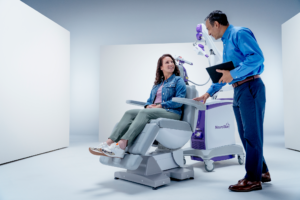
During repetitive transcranial magnetic stimulation (rTMS), a trained clinician places a magnetic coil gently against your scalp. The coil delivers focused pulses to the left dorsolateral prefrontal cortex, a key mood center. Because the magnetic field acts only on these exact neural pathways, your digestive tract, liver, and circulatory system remain unaffected.
Oral medications travel throughout your whole body. That systemic exposure frequently triggers nausea, weight gain, chronic fatigue, and sexual dysfunction. In contrast, TMS does not carry these medication-induced systemic side effects because it introduces no pharmaceuticals into the body. The most common reactions remain mild and localized, such as temporary scalp sensitivity or light tension headaches.
The US Food and Drug Administration (FDA) has cleared specific rTMS devices for major depressive disorder. FDA clearance confirms that a device meets rigorous federal safety and clinical performance benchmarks. Keep in mind that clearance applies to certified medical devices and verified treatment protocols.
Patients tolerate TMS exceptionally well because:
- Focused care: Pulses concentrate only on designated brain circuits rather than your entire system.
- Zero sedation: You stay fully awake, relaxed, and alert throughout every outpatient appointment.
- Non-surgical procedure: Treatment requires no anesthesia, incisions, or hospital recovery periods.
- No chemical dependence: TMS does not cause prescription tolerance, drug interactions, or withdrawal symptoms.
A 2022 systematic review in the Journal of Affective Disorders reviewed 53 randomized trials with 3,273 patients. Researchers confirmed that active TMS showed no greater rate of serious side effects than sham controls. While mild site soreness occurred, patients rarely discontinued therapy due to adverse discomfort.
Peer-reviewed studies indexed on PubMed confirm the broad clinical safety of rTMS for depression. TMS is not a universal cure for every individual, but it provides a gentle, well-tolerated option when medications fail.
"TMS continues to demonstrate broad evidence for safety and efficacy in treating depression. Newer forms of TMS are faster and potentially more effective than conventional repetitive TMS." – PubMed
How Does TMS Compare to Standard Antidepressant Medications?
TMS and oral antidepressants take opposite paths toward easing depression symptoms. Traditional medications help millions of individuals, but their whole-body route often causes disruptive side effects. Choosing the best strategy depends on your personal health records, symptom severity, and past medication trials.
Standard antidepressants like SSRIs and SNRIs modify neurotransmitter signaling across your central nervous system. As these substances circulate, they can produce chronic digestive issues, sleep disruptions, and emotional blunting. They may also trigger hazardous interactions with other daily medications.
TMS operates through safe magnetic physics rather than chemical absorption. It directly stimulates underactive neural networks to rebuild healthy firing patterns. If pharmaceutical side effects have made daily life difficult, discussing TMS with your provider can open a practical path forward.
| Comparison | TMS Therapy | Antidepressant Medications |
| Treatment method | Uses magnetic pulses to stimulate targeted brain regions involved in mood regulation. | Uses medication to affect chemical signaling in the brain. |
| Systemic drug exposure | Does not introduce antidepressant medication into the body. | Medication enters the body and can affect multiple systems. |
| Common side effects | Headache, scalp discomfort, and facial muscle twitching. | Depending on the medication, side effects may include nausea, fatigue, sleep changes, and sexual problems. |
| Drug interactions | TMS does not cause pharmacological drug interactions, but medications may affect seizure risk or require consideration during treatment planning. | Interactions depend on the medication and other drugs or substances being used. |
| Treatment setting | Typically performed in an outpatient clinic. | Usually taken at home, with follow-up appointments as needed. |
| Anesthesia | Not required for standard TMS sessions. | Not applicable to routine oral antidepressant treatment. |
| Time commitment | Usually requires multiple appointments over several weeks. | Requires regular medication use and periodic follow-up. |
| Individual suitability | Depends on the patient's health history, treatment needs, and device-specific eligibility criteria. | Depends on the patient's symptoms, medical history, medication response, and potential side effects. |
TMS is not always a direct replacement for your medication. Your psychiatric provider may recommend continuing your current antidepressant during TMS, adjusting your dosage, or combining modalities based on your individual response. Never stop or alter a prescribed medication without consulting your doctor.
Exploring TMS therapy for depression in Tennessee alongside a knowledgeable clinician can give you clarity on the safest, most effective next step for your care.
Does TMS Cause Fewer Memory Side Effects Than ECT?

TMS therapy carries a substantially lower risk of memory loss or cognitive confusion than electroconvulsive therapy (ECT). While both modalities treat severe depression, their mechanisms and safety profiles differ considerably. Your clinical team will help you evaluate which approach matches your treatment urgency.
TMS uses mild magnetic pulses to activate mood circuits while you sit awake in an office chair. It does not induce a seizure, and you do not require anesthesia or post-care monitoring. You can drive yourself to your appointment and return to your daily schedule immediately afterward.
In contrast, ECT uses controlled electrical currents under general anesthesia to trigger a therapeutic seizure. While ECT provides rapid stabilization during psychiatric emergencies, it frequently causes temporary confusion. Patients often experience noticeable gaps in recent memory around their treatment cycle.
Key distinctions between the two procedures include:
- Cognitive safety: TMS preserves memory retention, while ECT carries known risks of short-term memory gaps.
- Anesthesia requirements: TMS needs no sedation, whereas ECT requires full anesthesia and clinical paralysis.
- Recovery window: TMS patients resume work right away, while ECT demands recovery time after each session.
Lower cognitive risk makes TMS an attractive outpatient option for working adults and students. If you want to evaluate noninvasive choices nearby, exploring TMS therapy in Franklin, TN offers a helpful starting point.
What Are the Main Side Effects and Risks of TMS Therapy?

Most TMS side effects are mild, stay localized to the treatment area, and resolve rapidly after your session. Because the procedure is noninvasive, systemic drug complications never occur. Still, understanding potential risks helps you prepare for your care plan.
Typical sensations during stimulation include minor scalp tapping, brief facial twitches, and mild tension headaches. The Mayo Clinic explains that TMS side effects are generally mild to moderate and often improve shortly after treatment:
"Generally, rTMS is considered safe and well-tolerated. However, it can cause some side effects. Side effects are generally mild to moderate and improve shortly after a session. Side effects decrease over time with more sessions." – Mayo Clinic
Accidental seizures are the most serious possible complication, but they remain exceedingly rare. Clinical studies indicate that seizure occurrence sits below 0.1 percent under standard protocols. Clinicians screen your personal history for sleep deprivation, epilepsy, and medications that lower seizure thresholds to keep risks minimal.
Ferromagnetic metal objects near the head serve as a strict safety contraindication. Aneurysm clips, cochlear implants, and metal fragments can interact unsafely with the magnetic coil. Standard dental fillings, braces, and non-magnetic crowns are entirely safe during therapy.
Your clinical team will outline every safety check before your mapping appointment. Patients managing multiple diagnoses can also consult our specialists regarding comprehensive PTSD treatment in Tennessee.
Who May Be Eligible for TMS Therapy?

TMS therapy is FDA-cleared for adults with major depressive disorder who have not found relief from traditional antidepressants. If you have tried two or more medications without success or had to discontinue due to adverse reactions, you may qualify. A comprehensive clinical evaluation determines whether this non-drug therapy matches your medical history.
Your clinician will review your previous treatment outcomes, existing prescriptions, and overall health status. They will check for metal implants, neurological conditions, or previous head trauma that could affect treatment safety. Sharing an accurate list of all vitamins and prescriptions ensures your treatment remains consistent.
TMS does not replace medical care in every single situation, but it offers a safe alternative when pills fall short. For younger individuals navigating care, understanding the safest antidepressant options for teens helps families make informed healthcare decisions. If you or someone you care about is facing an acute mental health crisis or severe distress, immediate support is accessible. Call or text the Suicide and Crisis Lifeline at 988 for free, confidential guidance 24/7.
Choosing Your Path to Depression Relief
Treating clinical depression should never force you to accept severe physical exhaustion, weight changes, or emotional numbness. Understanding why TMS Therapy is the safest antidepressant alternative for treatment-resistant depression allows you to pursue healing with confidence. With zero systemic toxicity and no sedation downtime, TMS helps you rebuild your daily wellness.
Our dedicated team is ready to evaluate your history and answer your safety questions. Contact TMS of Tennessee today to schedule your comprehensive consultation and explore your care options.
Treating clinical depression should never force you to accept severe physical exhaustion, weight changes, or emotional numbness. Understanding why TMS Therapy is the safest antidepressant alternative for treatment-resistant depression allows you to evaluate your choices with confidence. Because it carries no systemic toxicity and requires zero sedation downtime, TMS offers an evidence-based pathway for long-term symptom management.
Our dedicated team is ready to evaluate your medical history and address your safety questions. Contact TMS of Tennessee today to schedule your comprehensive consultation and explore your care options.
Frequently Asked Questions
Is TMS safer than antidepressant medication?
TMS avoids systemic drug complications like digestive distress, sexual dysfunction, and weight gain. While no medical treatment is universally risk-free, TMS offers a safer profile for individuals who cannot tolerate oral medication side effects.
Can TMS cause a seizure?
While possible, seizures during TMS are extremely uncommon, occurring in fewer than one in a thousand patients. Clinical teams follow strict screening and safety protocols to minimize this risk.
Does TMS affect memory?
No, TMS does not impair memory, concentration, or overall thinking ability. Unlike ECT, magnetic pulses do not disrupt memory retention or cause mental confusion.
Do you need anesthesia for TMS therapy?
No, standard TMS sessions never require general anesthesia or intravenous sedatives. You remain awake and comfortable throughout treatment, and you can drive home immediately after.
Why TMS Therapy is the safest antidepressant?
Its reputation as a well-tolerated alternative stems from a targeted, non-chemical approach that stimulates only specific mood-regulating brain networks. It delivers clinical benefits without systemic drug toxicity, internal organ strain, or medication dependency risks.