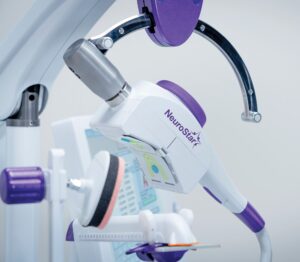
A full course of TMS therapy work can cost between $6,000 and $15,000 if you pay yourself. This number can feel scary. But here is the good news. Most health insurance plans now help pay for TMS. This can make your cost much lower.
With insurance, you might only pay $300 to $2,500 for the whole treatment. This is because doctors know TMS works well for depression that medicine doesn’t help. The trick is to understand the cost and how insurance works. Keep reading to learn how you can afford this treatment.
Key Takeaways
- Insurance makes TMS much cheaper.
- Treatment takes about 6 weeks, with sessions 5 days a week.
- TMS can save you money on other healthcare costs later.
What is TMS Therapy?
TMS stands for Transcranial Magnetic Stimulation. It is a treatment for depression. It uses magnets to wake up the part of your brain that controls mood. It is not surgery.
You are awake the whole time. It is FDA-cleared and available at established centers such as TMS Tennessee, which highlights how thoroughly the treatment has been tested for safety.
TMS is for people who have tried medicine for depression but did not improve. About 1 out of 3 people with depression fall into this group, and TMS gives them a new hope.
Why the Price Tag Looks So High
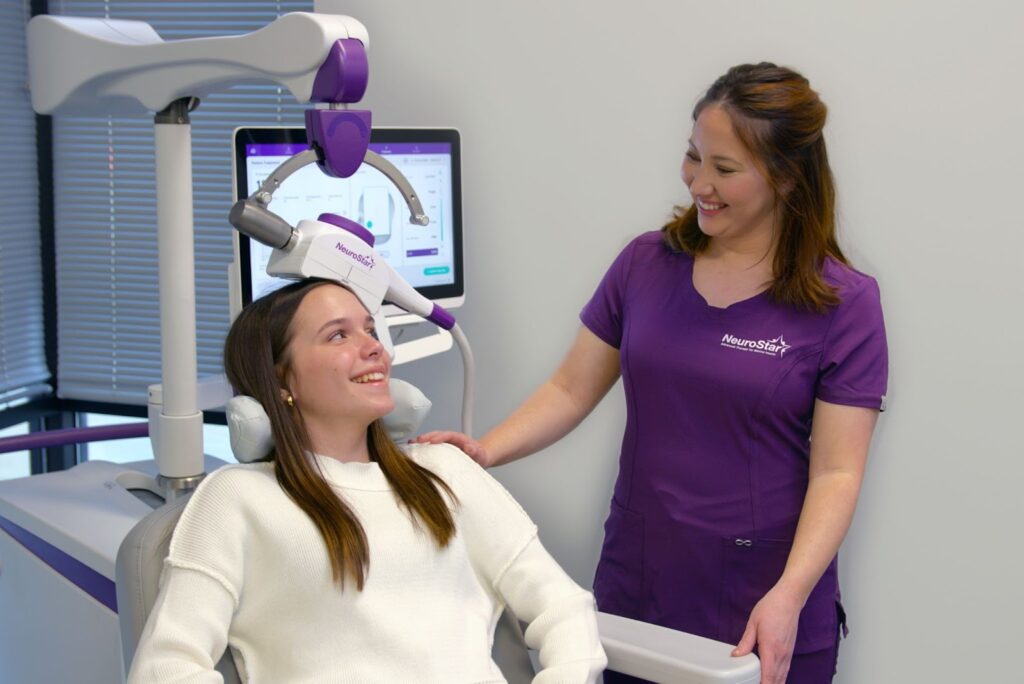
The price for TMS seems high at first. One session can cost $200 to $500, and a full treatment needs about 36 sessions.
That adds up quickly, especially with systems like NeuroStar Advanced Therapy TMS that require specialized equipment and trained technicians. But this is rarely the price you actually pay.
Your insurance company will cover most of it. Think of the high price like the sticker price on a new car,almost no one pays that full amount. Insurance works like the deal that brings the cost down significantly.
How Insurance Cuts the Cost
Your health insurance is the biggest factor in the cost. Most big insurance companies cover TMS now. They know it works. They often cover it after you have tried one or two medicines that did not help. Some also cover it for OCD and anxious depression. The clinic will help you talk to your insurance company. They know how to get the treatment approved. This help is very important. It makes the process much easier for you.
- Call your insurance company to ask about TMS coverage.
- Ask the TMS clinic if they work with your insurance.
- Find out what your copay will be for each session.
After insurance, your cost might be similar to what you pay for medicine copays for a whole year. But TMS can help you feel better for a long time.
What You Are Paying For
The cost pays for many elements of care. It includes the specialized TMS machine, the trained expert who operates it, and the doctor who maps your brain to plan the treatment.
For people seeking targeted treatment options, resources such as depression-focused TMS information show how these clinical steps support safety and effectiveness.
The doctor monitors your progress throughout the process.
You are paying for a complete medical care package, not just the session itself.
Where You Live Changes the Price
The cost of TMS can be different in different cities. In big cities, the price might be a little higher. In smaller towns, it might be a little lower.
This is normal for medical care. But even if the price is different, your insurance will likely make your final cost about the same. It is a good idea to look at a few clinics in your area. See what their prices are. But remember to always ask about the price with insurance.
New Insurance Rules in 2026
In 2026, insurance rules got better for TMS. It is now easier to get coverage. Insurance also covers TMS for more problems now. It is not just for depression anymore. It can also be for OCD and anxious depression.
These changes also support modern protocols like accelerated TMS treatment, which offer faster session schedules for qualifying patients.
Many insurance plans now cover TMS in all 50 states, and the approval requirements are simpler. Don’t assume your insurance will say no, always check.
This is great news. It means more people can get help.
- Insurance covers TMS in all 50 states.
- The rules for getting approval are simpler.
- Don’t assume your insurance says no. Always ask.
The best thing to do is have the TMS clinic check your insurance for you. They can call your insurance company. They will get a paper that says exactly what is covered. This service is free. It gives you a clear answer.
The 2026 Insurance Breakthrough for TMS Therapy Cost

Great news for 2026! Insurance rules have improved significantly:
- Easier approval – You might need fewer failed medications first
- More conditions covered – Now includes OCD and anxious depression
- Earlier access – Not just a “last resort” treatment anymore
About 30% of people with depression don’t get better with medication alone (1). These new rules mean more of these people can get TMS coverage. Most Insurances like Aetna, United HealthCare, Medicare etc now cover TMS in all 50 states too.
Calculating the Long-Term Value of TMS
Evaluating TMS therapy cost requires a long-term view. For someone who has cycled through multiple antidepressants with limited success or intolerable side effects, the financial and personal toll is already high.
There are ongoing expenses from medication management appointments, prescriptions, and the impact of untreated symptoms on work and life.
Insights summarized in this clinical overview reinforce that TMS offers the potential for a durable response.
The Time Commitment for TMS

TMS does take time. You will go to treatment 5 days a week. This lasts for about 7 weeks. Each session is short. It takes about 19 minutes.
You can drive yourself to and from treatment. You can go back to your normal day right after. There is no downtime. You don’t need someone to take care of you. The schedule is strict, but it is over in a set amount of time.
Payment Plans and Financing
What if you don’t have good insurance? Or what if you still have high costs? Many TMS clinics can help. They work with companies that give loans for medical care. These are medical loans. You can pay for the treatment over many months.
This makes the payments smaller and easier to handle. Some clinics might also give a discount if you pay all at once. Always ask the clinic about payment options. They want to help you find a way.
You can also use a Health Savings Account (HSA) or a Flexible Spending Account (FSA) (2). These are special accounts for health costs. You put money in them before taxes. Then you use that money to pay for TMS. This is like getting a discount because you don’t pay tax on that money.
TMS Therapy Cost Compared to Other Treatments
How does TMS therapy stack up against other options?
Medications
- Monthly cost: $10-$100
- But may not work for treatment-resistant depression
Therapy sessions
- Weekly cost: $100-$200
- Can take months or years to show results
Hospitalization
- Daily cost: $1,000-$2,000
- For severe cases only
TMS offers a middle path – more expensive than pills but less than hospitalization, with faster results than therapy alone.
Your Action Plan for TMS Therapy Cost
Ready to take the next step? Here’s your simple plan:
Week 1: Research
- Call your insurance company
- Research local TMS clinics
Week 2: Get Numbers
- Get a benefits verification from a clinic
- Ask about payment plans
Week 3: Decide
- Review your options
- Choose what works for your budget
Remember – the first call is free. You can get all the information about TMS therapy cost without any commitment. Knowledge is power when it comes to making healthcare decisions.
FAQs
What is TMS therapy?
TMS stands for Transcranial Magnetic Stimulation. It’s a treatment for depression that uses magnets to help your brain work better. The magnets wake up the part of your brain that controls your mood and feelings. It’s not surgery, and you stay awake the whole time.
The treatment is safe because the FDA tested and approved it. TMS helps people whose depression medicine doesn’t work. About one out of every three people with depression fall into this group. TMS gives them new hope for feeling better when other treatments fail.
How much does TMS cost without insurance?
Without insurance, a full TMS treatment costs between $6,000 and $15,000. This seems like a lot of money. One single session can cost $200 to $500, and you need about 36 sessions total for complete treatment. However, almost nobody pays this full price.
Think of it like the sticker price on a new car,it’s the starting number before discounts. Insurance usually pays most of this cost. With insurance help, your actual cost drops to only $300 to $2,500 for the entire treatment, making it much more affordable for most people.
Does health insurance cover TMS?
Yes, most major health insurance plans now cover TMS therapy. Insurance companies know TMS works well for depression that medicine can’t fix. They usually approve coverage after you’ve tried one or two antidepressant medicines that didn’t help you.
Some insurance also covers TMS for OCD and anxious depression now. Medicare covers TMS in all 50 states. The TMS clinic will help you talk to your insurance company to get approval. They know exactly how to work with insurance and make the process easier. Always call your insurance to check your specific coverage benefits.
How long does TMS treatment take?
TMS treatment lasts about six weeks total. You go to the clinic five days a week, usually Monday through Friday. Each session is very short, taking only about 20 minutes. You can drive yourself there and back home.
After each session, you can return to your normal day immediately,you can work, drive, and do regular activities. There’s no recovery time needed. The schedule requires commitment because you can’t skip many days, but the treatment has a clear end date. After six weeks, you’re finished with the regular treatment program.
What does the TMS cost?
Your payment covers several important things. First, it pays for the special TMS machine, which is very expensive medical equipment. It also pays for the trained expert who operates the machine safely and correctly during every session. The cost includes your first doctor visit where they map your brain to plan your specific treatment.
Your doctor checks on your progress throughout the whole treatment period. You’re paying for complete medical care, not just machine time. The price includes all the expertise, technology, and medical supervision needed to help you get better safely.
Are there payment plans for TMS?
Yes, many TMS clinics offer payment plans to help people afford treatment. They work with special medical loan companies that let you pay over several months instead of all at once. This makes each payment smaller and easier to manage.
Some clinics might give a discount if you can pay the full amount upfront. You can also use Health Savings Accounts (HSA) or Flexible Spending Accounts (FSA) to pay for TMS with pre-tax money, which saves you money. Always ask the clinic about all available payment options before starting treatment.
How much will I pay with insurance?
With insurance, most people pay between $300 and $2,500 for the complete TMS treatment. Your exact cost depends on your specific insurance plan and what your copay is for each session. Some people have low copays and pay closer to $300 total.
Others with higher copays might pay up to $2,500. This is similar to what you might pay for medicine copays over a whole year. The TMS clinic can call your insurance company and tell you exactly what your cost will be before you start treatment. This way, there are no surprises about money later.
Is TMS cheaper than other depression treatments?
TMS costs more than depression pills but less than hospital stays. Monthly antidepressant medicine costs $10 to $100, but it might not work for treatment-resistant depression. Weekly therapy sessions cost $100 to $200 and can take months or years to help.
Hospital stays for severe depression cost $1,000 to $2,000 per day. TMS is a middle option,more expensive than pills but less than hospitalization. It also works faster than therapy alone. When medicine doesn’t work, TMS can save you money by helping you avoid expensive hospital visits and years of ineffective treatments.
What changed about insurance coverage in 2026?
In 2026, insurance rules for TMS got much better. It’s now easier to get insurance approval because you might not need to try as many medicines first that don’t work. Insurance now covers TMS for more problems, not just depression,
It also covers OCD and anxious depression. TMS isn’t considered just a “last resort” anymore.The approval process is simpler and faster. These new rules mean more people can get TMS help sooner. About 30% of people with depression don’t get better with medicine alone, so these changes help more people access treatment.
How do I find out my TMS cost?
Start by calling your insurance company to ask if they cover TMS therapy. Write down what they tell you about coverage and copays. Next, call TMS clinics in your area and ask if they work with your insurance. The clinic can do a free “benefits verification” by calling your insurance for you.
They’ll get a paper showing exactly what’s covered and what you’ll pay. This service is free and gives you clear answers with no commitment. Ask about payment plans too. Getting this information takes about one or two weeks but helps you make a smart decision about your treatment.
Final Thoughts on TMS Therapy Cost
The cost of TMS should not stop you from getting help. Insurance pays for most of it. There are payment plans for the rest. It’s a practical solution for a defined period of care with a clear endpoint. Discuss these options openly with the clinic’s financial coordinator.
They are there to help you find a workable solution, not to create additional barriers to care. The existence of these plans acknowledges the significant upfront investment and provides a mechanism to manage it.
The real cost of TMS is often much lower than people think. The cost of living with untreated depression is much higher. Take the first step. Make a phone call. You might be surprised at how affordable hope can be.
To explore a safe, non-invasive option that could change your life, consider reaching out to TMS Tennessee and learn how NeuroStar TMS therapy may help you move forward.