Meta description: Can Depression Come Back After TMS? Explore recurrence rates, warning signs, and ways to protect long-term progress.
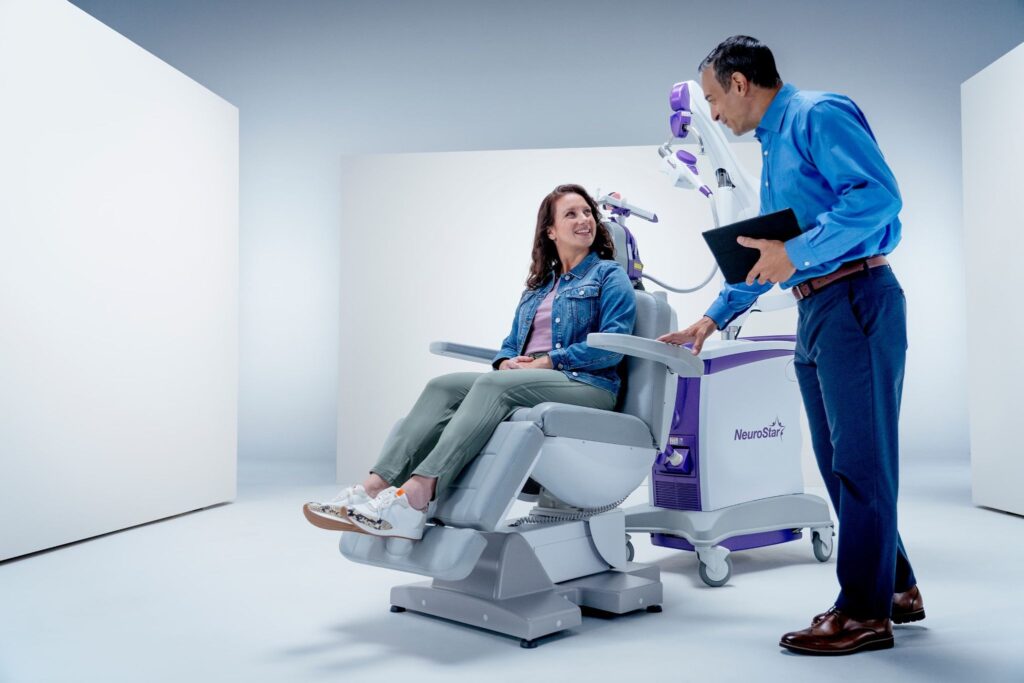
Depression can return after FDA-cleared Transcranial Magnetic Stimulation (TMS), especially in patients with Major Depressive Disorder, a condition known to recur over time. TMS targets brain areas linked to mood, and many patients improve after treatment.
Response and remission rates are strong in clinical data, yet results do not always last without follow-up care. Factors such as stress, medication changes, and illness history can affect long-term stability.
Some patients stay well for months, others need additional support. Understanding what happens after treatment matters. Continue reading to learn how long results last and what helps maintain remission.
Key Takeaways
- Depression relapse after TMS is clinically expected, with 10-30% of remission patients experiencing recurrence within 12 months.
- Sustained outcomes depend on maintenance strategies, including TMS booster sessions, psychotherapy, and medication adherence.
- Early detection and retreatment protocols improve long-term outcomes, particularly in patients with treatment-resistant depression.
Depression Can Return After TMS But It Does Not Indicate Treatment Failure
A return of symptoms does not mean TMS did not work.
Depression is often a long-term condition. It can improve, then return later. This pattern is seen with many treatments, not just TMS.
TMS changes how certain brain areas function. Many patients improve, as shown in clinical discussions around does TMS work for depression, with some reaching remission. That is a meaningful outcome, especially for those who did not respond to medication.
Clinical data shows about sixty to seventy percent of patients improve with TMS. Around one-third reach remission.
But remission has a time limit for some people. Months pass. Life happens. Symptoms may return.
Still, the earlier improvement matters.
During remission, patients often show:
- Better focus
- More stable mood
- Greater ability to stay active
This period gives patients a chance to build routines and continue care. Therapy tends to work better during this time. So does medication adjustment.
It is a window. And it should be used.
“Major depressive disorder is often a recurrent illness, and many patients experience multiple episodes over their lifetime.” – National Institute of Mental Health
Most Patients Maintain Results For Months But Relapse Risk Persists
Most patients keep their results for several months. Often between six and twelve.
Some do better for longer. Others notice changes sooner. There is no single pattern.
Here is a simple view:
| Outcome After TMS | Clinical Range |
| Symptom Improvement | 60-70% |
| Full Remission | About 30% |
| Relapse Within 12 Months | 10-30% |
These numbers help set expectations. TMS works for many people. But it is not permanent for all.
After treatment ends, small changes can appear. Sleep may shift. Energy may drop. Motivation may feel off.
Subtle at first.
But those small changes can grow if ignored. Early attention helps prevent that.
“Durability of rTMS treatment effects varies, and relapse is common without maintenance strategies.” – National Library of Medicine
Neuroplastic Changes From TMS Need Ongoing Support
TMS works by stimulating parts of the brain linked to mood, a mechanism central to TMS treatment for depression approaches. Over time, this can improve how those areas function.
This process is called neuroplasticity. The brain adjusts. It forms new patterns.
But those changes need support.
The durability of an antidepressant response depends on the sustainment of synaptic potentiation. In treatment-resistant cases, the neural pathways associated with the default mode network (DMN) may re-assert dominance over the dorsolateral prefrontal cortex (dlPFC).
Without maintenance interventions, the synaptic density gained during the acute phase may undergo pruning, leading to a return of the depressive phenotype.
Patients with long histories of depression may need more support. Their baseline tends to be less stable.
A few factors can affect how long results last:
- How long the patient has had depression
- How severe it was before treatment
- Other mental health conditions
There is no single answer. It depends on the person.
Support can come from therapy, medication, or maintenance TMS. Often, it is a mix.
External Stress Can Trigger Depression After TMS
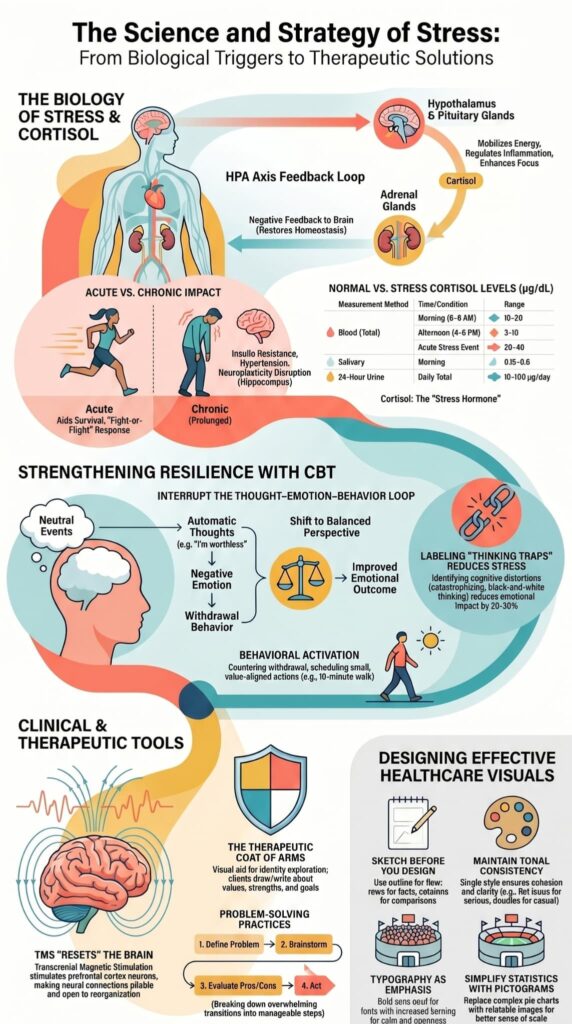
While TMS effectively recalibrates neural circuitry, it does not immunize a patient against the psychosocial determinants of mental health. Chronic cortisol elevation from occupational or familial stress can antagonize the neuroplastic gains achieved.
Therefore, our clinical recommendation always integrates TMS with cognitive restructuring to fortify the patient’s psychological resilience against inevitable environmental triggers.
Stress continues. Work pressure. Family issues. Health problems.
These stressors can affect mood directly. They change how the brain responds over time.
Even after a strong response to TMS, stress can trigger symptoms again.
Common triggers include:
- Poor sleep
- Alcohol or substance use
- Major life changes
Each one adds strain. Together, they increase risk.
TMS can improve brain function. But it does not remove stress from daily life.
That is why patients need tools to manage it.
The Five Month Window Needs Attention

Some patients begin to notice changes around five months after treatment.
Not always severe. Sometimes just small shifts.
Clinical recurrence often manifests as ‘subsyndromal’ symptoms. Patients should monitor for a disruption in circadian rhythm, specifically terminal insomnia, and a subjective decrease in cognitive processing speed (executive dysfunction).
These are not merely ‘off’ days; they represent a physiological shift in the prefrontal cortex’s metabolic activity that was previously stabilized by magnetic stimulation.
It can be easy to ignore. Or explain away.
But this period matters.
Catching these signs early allows for simple adjustments. A few booster sessions. A therapy check-in. Medication review.
If ignored, symptoms may deepen. And recovery takes longer.
Post-TMS management requires a standardized monitoring protocol. We utilize validated scales, such as the PHQ-9 or MADRS, administered at 3, 6, and 12-month intervals.
This quantitative approach allows us to differentiate between transient life stressors and a true clinical relapse, ensuring that intervention, whether through rescue ‘booster’ sessions or pharmacological adjustment, is data-driven.
It is better to act early than wait.
Maintenance TMS Can Help Keep Symptoms Stable
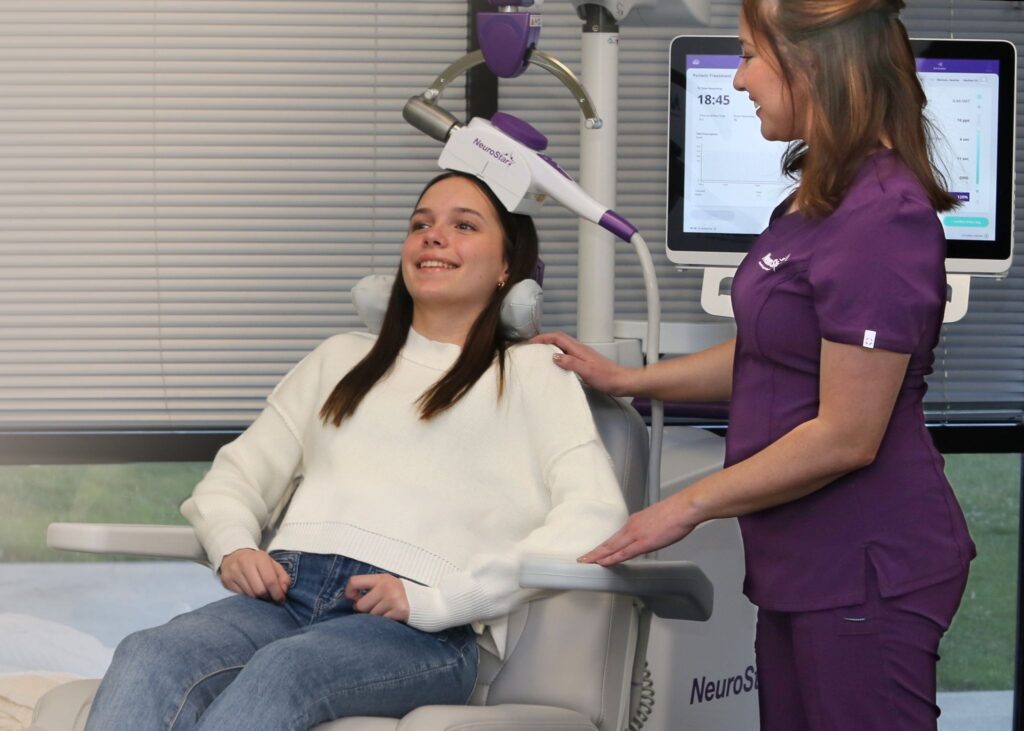
Some patients benefit from ongoing TMS after the initial course ends, often alongside awareness of side effects of TMS when planning long-term care. This is called maintenance TMS.
It is not daily like the first phase. Sessions are spaced out. Sometimes once a week. Sometimes every two weeks. It depends on the patient.
The goal is simple. Keep the brain activity steady.
Patients who had strong improvement the first time often responded well to maintenance. It helps hold the gains. Not always perfectly, but it helps.
Frequency matters. Too far apart, and the effect may fade. Too frequent, and it may not be necessary.
Common approaches include:
- Weekly sessions early on
- Gradual spacing if symptoms stay stable
- Closer follow-up during changes
There is no fixed schedule that works for everyone. Adjustments are common. Expected, even.
Combination Care Supports Longer Lasting Results
TMS works better when it is part of a larger plan, especially when compared within broader frameworks like TMS therapy vs other depression treatments that highlight combined care approaches.
Therapy plays a key role. It helps patients understand patterns, manage stress, and respond differently to difficult situations. Cognitive Behavioral Therapy is often used, but other methods can help too.
Medication may still be part of care. Some patients reduce it. Others continue. It depends on response and history.
And daily habits matter more than people think.
- Regular sleep helps stabilize mood
- Physical activity supports brain function
- Balanced nutrition supports energy and focus
None of these act fast. But over time, they support stability.
Treatment works in layers. TMS is one part. Not the whole picture.
Depression After TMS Can Be Managed With Retreatment

If symptoms return, TMS can be used again.
Patients who responded well the first time often respond again. This is important. It gives another option without starting from zero.
There are two main approaches:
- Booster sessions for early symptoms
- Full retreatment for more severe relapse
Booster sessions are shorter. They aim to stop symptoms from growing. Full retreatment follows a schedule similar to the first course.
Timing matters. Acting early usually leads to better results.
Waiting often means a longer recovery.
Long Term Management Requires Ongoing Attention
Depression care does not end after one treatment. It continues.
Some patients need only occasional follow-up. Others need more regular support. Both are normal.
Monitoring helps. Not constant checking, but enough to notice change.
Patients who stay engaged in care tend to do better over time. They adjust early. They respond faster.
There is no perfect path. But there is a pattern. Consistent care leads to more stable outcomes.
Getting Ahead of Depression Before It Slips Back
You can feel it when things start to shift, your energy drops, your mood gets heavier, and it’s harder to stay on track. It’s frustrating because you’ve already done the work. And it can come back.
That’s where a place like TMS of Tennessee makes this easier to manage, not guess. With structured follow-ups and options like NeuroStar TMS, you have a clear next step when symptoms return. Staying consistent with care can help you hold onto progress and avoid starting over.
FAQs
Can depression return after TMS, even after full remission?
Yes, can depression return after TMS is a common concern. Some patients achieve full remission TMS, but depression recurrence after TMS can still occur. TMS therapy depression relapse depends on stress levels, lifestyle factors, and follow-up care.
Consistent depression management after TMS, including therapy and routine monitoring, helps reduce the risk of depression comeback after TMS over time.
What is the typical transcranial magnetic stimulation relapse rate over time?
The transcranial magnetic stimulation relapse rate varies across studies. Many reports examine TMS relapse rate 6 months after treatment, showing that some patients maintain improvement while others experience depressive symptoms recurrence.
TMS long-term efficacy often depends on individual response, especially in treatment-resistant depression TMS cases. Ongoing care and monitoring improve stability and reduce recurrence risk.
How do TMS maintenance therapy and booster sessions help prevent relapse?
TMS maintenance therapy supports patients after acute TMS therapy by extending treatment benefits. Providers may recommend TMS booster sessions or TMS booster treatments based on symptom changes.
A maintenance TMS schedule can include TMS weekly maintenance, TMS monthly maintenance, or TMS bimonthly maintenance. These approaches improve TMS durability, lower depressive episode return, and strengthen relapse prevention TMS strategies.
What are common signs of depressive symptoms recurrence after TMS treatment?
Depression relapse signs usually develop gradually. Patients may notice low mood, fatigue, reduced concentration, and changes in sleep patterns. These symptoms can indicate depressive symptoms recurrence after TMS treatment outcomes.
External factors such as stress triggers depression relapse, sleep deprivation depression relapse, and substance use depression relapse. Early recognition allows timely intervention and better outcomes.
What can improve TMS long-term efficacy and reduce depression relapse risk?
TMS long-term efficacy improves with structured follow-up care and consistent habits. Combining TMS psychotherapy combination with TMS medication adherence supports stable outcomes.
Lifestyle changes such as exercise depression prevention, healthy diet mental wellness, and mindfulness meditation depression help maintain progress. Managing stress triggers depression relapse and maintaining routines strengthen TMS benefit duration and reduce recurrence risk.
References
- https://www.nimh.nih.gov/health/statistics/major-depression
- https://pmc.ncbi.nlm.nih.gov/articles/PMC4413472/