Transcranial Magnetic Stimulation (TMS) does not cause memory loss. Clinical research shows this FDA-cleared treatment does not harm cognitive function. Many patients report stable or improved cognitive function after completing treatment.
We will examine the supporting evidence, describe how the therapy works, and clarify the difference between treatment effects and symptoms of the underlying condition.
Continue reading for a thorough review of TMS and cognitive safety.
TMS and Memory: The Key Facts
These points highlight how TMS works in the brain and what research shows about its cognitive safety.
- TMS therapy precisely targets brain circuits involved in mood regulation. It primarily targets the prefrontal cortex and does not directly stimulate deeper memory structures such as the hippocampus.
- A large body of clinical data supports TMS’s favorable cognitive safety profile. There is no established evidence connecting the treatment to lasting memory problems.
- Short-term issues like tiredness or feeling foggy are often due to the depression or anxiety itself, not the TMS treatment.
What Is Transcranial Magnetic Stimulation (TMS)?

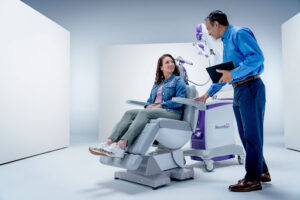
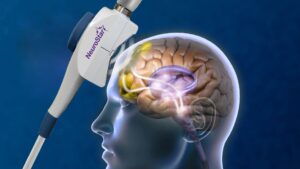
Transcranial Magnetic Stimulation (TMS) is a non-invasive brain stimulation therapy. It uses a magnetic field, generated by a coil placed on the head, to create small electrical currents in specific, targeted areas of the brain. Unlike medications that travel through the whole body, TMS acts on precise neural circuits.
Its most common use is for treating Major Depressive Disorder, especially when other treatments haven’t worked, which is why many clinics use Neurostar Advance TMS Therapy systems designed for targeted brain stimulation.
The standard approach targets the left dorsolateral prefrontal cortex, a brain area involved in regulating mood and thinking.
The magnetic pulses are similar to those in an MRI machine but are focused and delivered in a specific pattern for treatment.
Key features of TMS include:
- It is non-invasive and generally well-tolerated.
- It is an in-office procedure that does not require anesthesia.
- Treatments are usually given daily over several weeks.
- It is FDA-cleared for major depressive disorder and obsessive-compulsive disorder, with additional protocols used for related conditions.
The treatment is thought to work by encouraging neuroplasticity, the brain’s ability to form new connections. By repeatedly stimulating underactive pathways, TMS may help restore more balanced brain network activity linked to better mood and cognitive function.
Does TMS Cause Memory Loss?
Current medical evidence does not show that TMS causes memory loss, which is one reason clinicians emphasize the overall safety of TMS therapy when discussing treatment options with patients.
The safety of FDA-cleared TMS devices is well-documented through large clinical trials and ongoing monitoring. These studies consistently track cognitive effects, including different types of memory.
A key reason for its safety is how targeted the treatment is. The magnetic field focuses on the prefrontal cortex at the front of the brain.
It does not reach deeper structures essential for forming and storing memories, like the hippocampus. The pulse strength is designed to influence brain activity without causing structural damage.
As highlighted by Mayo Clinic
“And, unlike electroconvulsive therapy (ECT), rTMS doesn’t cause seizures or memory loss.” – Mayo Clinic
Research from leading institutions supports this. Reviews of cognitive data from TMS trials for depression generally find no significant negative impact on memory, learning, or other thinking skills.
Some reports note that temporary feelings of mental fogginess may occur but usually fade quickly after a session and do not indicate real memory loss or ongoing decline.
Common Side Effects of TMS Therapy

The side effects of TMS are usually mild to moderate and often lessen as treatment continues.
They are typically felt at the treatment site or are related to nerve and muscle activation in the head.
Common side effects include:
- Scalp discomfort: Tenderness or a tapping sensation under the treatment coil. This usually decreases as patients get used to the sessions.
- Headache: Mild to moderate headaches are common and typically respond well to over-the-counter pain relievers.
- Facial twitching: A less common effect caused by stimulation of nearby facial nerves. The technician can adjust the coil’s position to minimize this.
- Lightheadedness or fatigue: Some patients may feel this immediately after a session.
It is important to understand that these effects are temporary. They are not signs of brain damage or cognitive harm. They are normal physical responses to stimulating nerves and the surface of the brain.
The safety profile of TMS is fundamentally different from older brain stimulation therapies, which is why it is done as an outpatient procedure without requiring any recovery time.
How TMS May Affect Cognitive Function
Rather than causing problems, research suggests TMS may have a neutral or even positive effect on thinking and memory, especially for people with depression.
Depression itself can cause cognitive issues such as ‘brain fog,’ which can include trouble with working memory, processing speed, and planning.
Studies show that successful TMS treatment, by reducing depressive symptoms, can lead to improvements in these areas.
As mood, energy, and motivation get better, patients often notice better concentration, clearer thinking, and improved memory. This is seen as an indirect benefit from treating the core condition.
Some research is exploring TMS as a direct tool to improve cognition. Protocols that target the prefrontal cortex have shown potential to modestly boost working memory in both healthy individuals and patients.
In a recent analysis by PubMed (National Library of Medicine)
“This meta-analysis suggests that rTMS and tDCS are safe and efficient tools to improve memory functions in patients with MCI [Mild Cognitive Impairment].” – PubMed
This is part of ongoing studies into TMS for conditions like mild cognitive impairment, though such uses are still being investigated.
The cognitive safety of TMS is a key advantage. It allows patients to return to daily activities, like work or driving, right after each session, which supports overall recovery during the treatment period.
When Memory Symptoms May Appear During Treatment
If a patient reports memory concerns during TMS therapy, clinicians perform a careful evaluation to find the cause.
The first thing considered is the underlying psychiatric condition. Depression and severe anxiety themselves are known to cause cognitive issues like poor concentration and short-term memory problems.
Other factors that must be checked include:
- Medication effects: Some antidepressants and anxiety medications can cause drowsiness or mental fogginess.
- Sleep quality: Sleep disruption is common in mood disorders and can significantly affect memory. Poor sleep will impair thinking regardless of TMS.
The timing of symptoms is also important. Feeling tired or mentally slow for a few hours after a session can happen and is not the same as memory loss. It usually goes away by the next day.
However, memory problems that are getting worse, are constant, or are severe would be very unusual for TMS and would require a medical check for other possible neurological causes.
At TMS of Tennessee, patient-reported outcomes are tracked throughout care. This helps tell the difference between the normal, gradual improvement in thinking that comes with recovering from depression and any separate issues that might need more investigation.
Who Should Avoid TMS Therapy

Patient safety is the top priority, and careful screening is required before starting TMS. The main reasons someone cannot receive TMS are related to having certain metal objects or implanted devices in or near the head.
Individuals with the following cannot receive TMS:
- Aneurysm clips or coils in the brain.
- Stents in the neck or brain.
- Implanted devices like deep brain stimulators, vagus nerve stimulators, or cochlear implants.
- Any other implanted electronic device or metal hardware near the treatment area.
A history of seizures requires careful consideration. The risk of a TMS-induced seizure is very low with modern, approved protocols, but a thorough neurological evaluation is needed for anyone with a personal history of epilepsy or other seizure disorders. Patients with certain neurological conditions may require specialist evaluation.
TMS is not a first-line treatment. It is for patients with Major Depressive Disorder who have not improved enough after trying antidepressant medications. It is not meant for mild depression or as an initial treatment.
A full psychiatric assessment is needed to see if a patient meets the clinical criteria for this therapy.
FAQ
Can transcranial magnetic stimulation cause memory loss?
Transcranial magnetic stimulation uses controlled magnetic pulses to stimulate specific brain regions involved in mood control. Clinical studies show that TMS therapy rarely causes memory loss.
Unlike electroconvulsive therapy, this brain stimulation method usually does not affect episodic memories or memory recall.
Most patients maintain normal cognitive function during treatment for Major Depressive Disorder or treatment-resistant depression.
How does TMS therapy affect memory and cognitive function?
TMS therapy targets the dorsolateral prefrontal cortex using a magnetic coil that generates precise magnetic fields.
The stimulation influences neural connections and supports neural plasticity in targeted brain regions. Clinical trials show that many patients maintain stable memory performance and cognitive abilities.
Some studies also report improvements in working memory and cognitive flexibility during treatment.
What side effects can occur during TMS therapy?
Most side effects are mild and temporary. Some patients experience scalp discomfort, scalp tenderness, or mild headaches caused by repeated magnetic stimulation. These symptoms usually improve shortly after each treatment session.
Serious complications such as brain damage or long-term cognitive impairment are extremely rare when treatment follows approved safety guidelines.
Who should avoid transcranial magnetic stimulation treatment?
People with certain medical conditions must receive careful screening before starting treatment. Individuals with magnetic implants, ferromagnetic intracranially devices, or a cardiac pacemaker may not be suitable candidates.
A history of head injury, brain tumors, or brain surgery may also require further evaluation to determine whether this brain stimulation therapy is appropriate.
Can TMS therapy treat conditions other than depression?
Clinical studies show that transcranial magnetic stimulation may help treat several mental health issues. Research has examined its use for obsessive-compulsive disorder,
Generalised Anxiety Disorder, and Post Traumatic Stress Disorder. Some clinical trials also investigate its potential role in neurological conditions such as Alzheimer’s disease and related cognitive impairment.
A Clearer Mind, A Safer Path Forward
Concerns about memory are understandable when considering brain based treatments. Yet extensive clinical data shows that TMS carries a negligible risk of lasting cognitive side effects. Its focused, reversible stimulation supports brain activity without structural damage, helping many people regain clarity and engagement in daily life.
For those facing treatment resistant depression, the real question is not fear of change, but the cost of staying stuck. Relief can reopen energy, focus, and hope.
Schedule your free TMS consultation with TMS of Tennessee and explore whether this non drug, non invasive treatment is right for you.
References
- https://www.mayoclinic.org/tests-procedures/transcranial-magnetic-stimulation/about/pac-20384625
- https://pubmed.ncbi.nlm.nih.gov/39206423/