TMS treatment for depression is a noninvasive form of magnetic pulse therapy that stimulates brain regions involved in mood regulation. It may be considered for people with major depressive disorder (MDD) who have not improved enough with antidepressants or psychotherapy.
Unlike ECT, TMS does not require general anesthesia, and patients remain awake during treatment. Sessions involve repeated clinic visits, and results vary from person to person. Read on to learn how TMS works, who may qualify, and what to expect during treatment.
Key Takeaways
- TMS uses magnetic pulses: The treatment stimulates targeted brain regions involved in mood regulation without requiring general anesthesia.
- Candidacy requires clinical assessment: TMS is generally considered when standard depression treatments have not provided enough relief.
- Results vary: Some people experience meaningful improvement, while others may not respond or may experience a return of symptoms.
What Is TMS Treatment for Depression?
Transcranial magnetic stimulation (TMS) is a type of brain stimulation therapy used as part of depression treatment. It uses focused magnetic pulses, rather than electromagnetic radiation, to influence activity in specific areas of the brain.
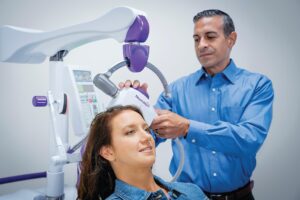
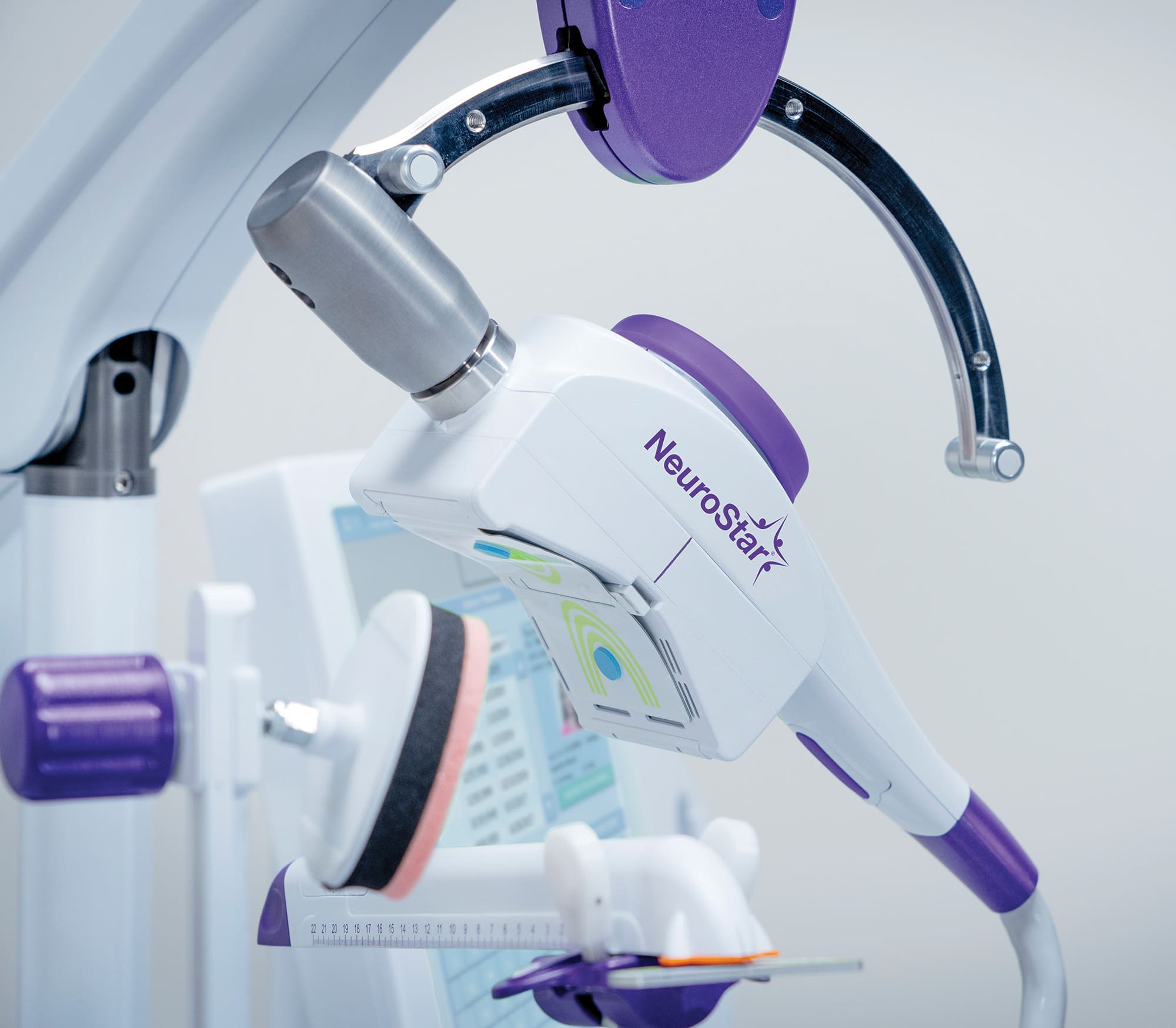
During repetitive TMS (rTMS), a clinician places a magnetic coil against the patient’s scalp. The coil produces magnetic pulses that pass through the skull and stimulate nerve cells in the targeted brain region.
TMS uses magnetic pulses to induce small electrical currents in targeted brain tissue. These currents stimulate nerve cells and neural circuits involved in mood regulation.
TMS commonly targets an area at the front of the brain called the dorsolateral prefrontal cortex. This area helps regulate mood and attention.
As highlighted by the National Institute of Mental Health:
“The magnetic field is turned on and off very rapidly, inducing weak electrical currents that stimulate neurons and neural circuits in the brain.” – National Institute of Mental Health
Depression is associated with changes in brain activity and communication between neural circuits. TMS aims to influence targeted circuits involved in mood regulation.
Several TMS protocols are available:
- Repetitive TMS (rTMS): Delivers repeated magnetic pulses to a specific brain region over a planned treatment period.
- Intermittent theta-burst stimulation (iTBS): Uses short bursts of magnetic stimulation delivered in a specific pattern. This approach can shorten the stimulation time.
The National Institute of Mental Health (NIMH) recognizes TMS as a treatment option for people whose depression has not improved enough with other treatments. However, no TMS protocol guarantees a specific result.
How Does a Typical NeuroStar Session Work?
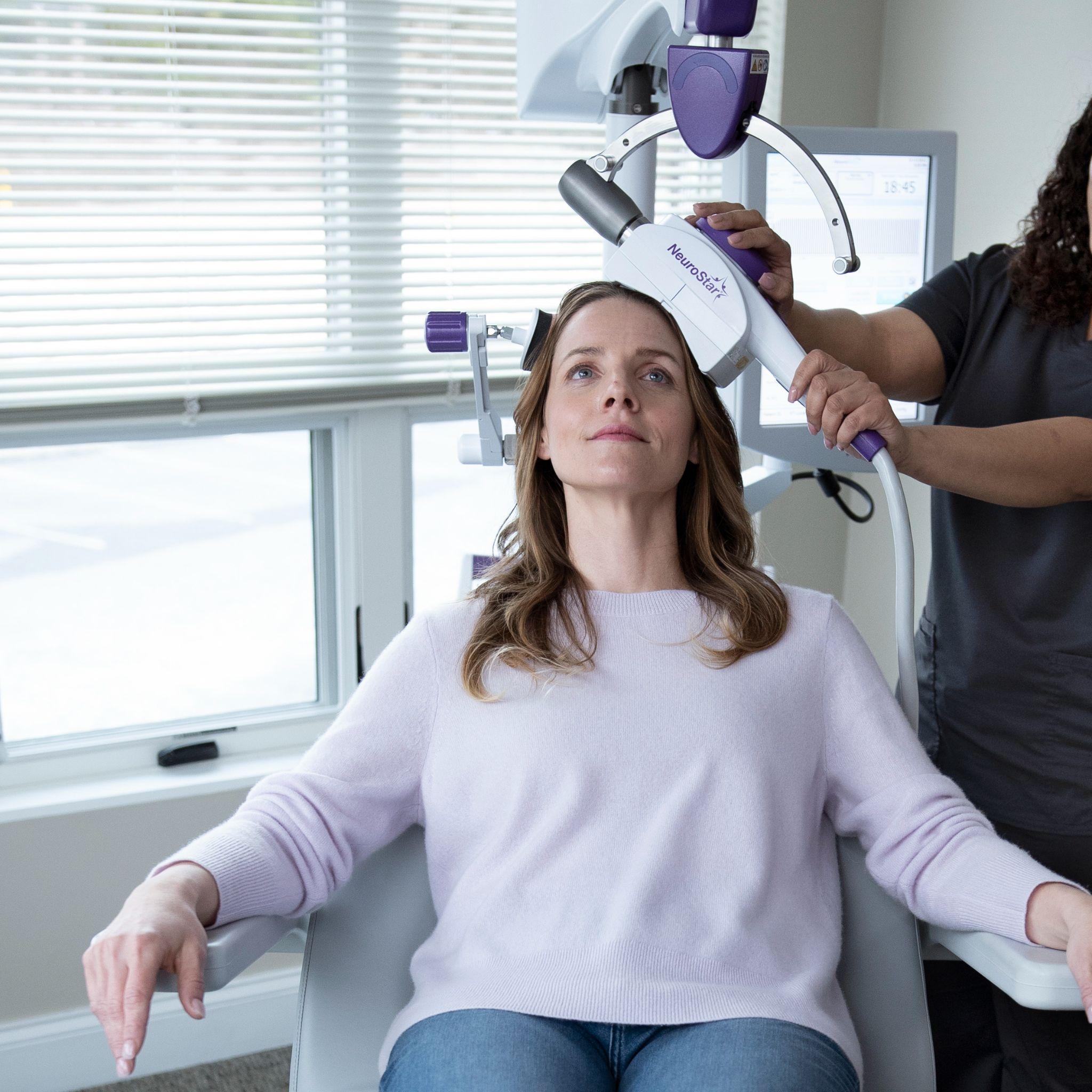
TMS treatment takes place in an outpatient clinical setting. Patients remain awake throughout the appointment, and general anesthesia is not needed.
Before the first session, the clinician identifies the treatment area and determines the appropriate stimulation level. This process helps establish the settings used during treatment.
What Happens During a TMS Session?
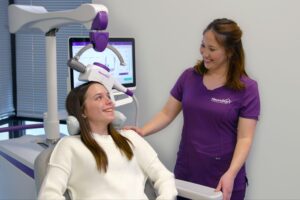
A typical session involves several steps:
- Positioning: The patient sits comfortably in a treatment chair.
- Treatment placement: The clinician positions the magnetic coil against the scalp over the targeted brain region.
- Magnetic stimulation: The device delivers magnetic pulses in a specific pattern.
- Monitoring: The patient remains awake while the clinician monitors treatment delivery and comfort.
- Completion: After stimulation ends, the patient can usually leave the clinic and resume normal activities.
Patients may hear clicking sounds from the device and feel a tapping sensation on the scalp during stimulation. Some also experience temporary facial muscle movement or discomfort near the treatment area.
The treatment team can assess these effects and adjust the settings when appropriate.
How often are NeuroStar sessions scheduled?
The treatment schedule depends on the protocol and the patient’s clinical needs.
A conventional TMS course usually involves weekday appointments over several weeks. Patients considering TMS therapy in Franklin can expect NeuroStar sessions at the clinic to typically last about 19 minutes. The clinic describes a standard course as 36 treatments, usually scheduled five days per week. Confirm the expected treatment duration with the clinic.
| Treatment feature | Typical schedule |
| Setting | Outpatient clinic |
| Frequency | Five weekdays per week |
| Session length at TMS of Tennessee | Approximately 19 minutes |
| Treatment course | Seven weeks |
| Anesthesia | Not required |
| After treatment | Most patients can resume daily activities |
Some treatment plans may include tapering or follow-up sessions. The provider determines the schedule based on the patient’s response and clinical needs.
Patients should plan for regular appointments because completing the recommended treatment course is an important part of the process.
How Effective Is TMS for Depression?

TMS can reduce depressive symptoms in some people, particularly those who have not improved enough with standard treatments. However, response rates vary, and not everyone experiences meaningful improvement.
Clinical studies have compared active TMS treatment with sham stimulation to evaluate its effects on depression. Research supports TMS as an effective treatment option for some adults with major depressive disorder, although individual results vary.
As noted by the American Psychiatric Association:
“TMS is a safe and effective evidence-based medical treatment when administered by TMS-trained psychiatrists for appropriately selected patients.” – American Psychiatric Association
Individual results vary.
What Is the Difference Between Response and Remission?
Clinical studies often use two terms to describe treatment outcomes:
- Response: Depression symptoms decrease by a meaningful amount compared with the patient’s symptoms before treatment.
- Remission: Symptoms improve to a much lower level, based on the measurement criteria used in the study.
These terms describe different levels of improvement. A person may respond to treatment without reaching remission.
Neither outcome guarantees that depression will not return.
Why Does TMS Work Differently for Different People?
Several factors may influence how a person responds to TMS, including:
- Previous depression treatments and their results.
- The severity and duration of depressive symptoms.
- The selected treatment protocol.
- Other medical or mental health conditions.
- Individual differences in brain activity and treatment response.
No test can reliably predict who will respond to TMS before treatment begins. Some patients experience meaningful improvement during a treatment course, while others may see little change. A provider should monitor symptoms throughout treatment and discuss the next steps based on the patient’s progress.
What Are the Side Effects and Risks of TMS?
TMS is generally well tolerated, but side effects can occur. Most are temporary and related to stimulation around the treatment area.
A provider should review medical history, medications, and implants before treatment begins.
What Side Effects Can Occur?
Possible side effects include:
- Scalp discomfort or pain where the coil rests.
- Headaches, especially during the early treatment sessions.
- Facial muscle twitching during stimulation.
- Occasional lightheadedness or fatigue.
Some patients find that these effects become less noticeable as treatment continues. However, patients should tell the treatment team about persistent discomfort or any new symptoms.
Who Needs Additional Safety Screening?
Certain medical conditions and implanted devices may affect TMS safety.
Additional screening is important for people with:
- A history of seizures or epilepsy.
- Certain neurological conditions.
- A history of significant head injury.
- A cochlear implant, deep brain implant, or another device that may be affected by magnetic stimulation.
- Certain non-removable conductive or magnetic-sensitive metal objects in or near the head.
A seizure is a rare but serious potential complication of TMS. A history of seizures or epilepsy requires careful assessment because these conditions may increase the risk of a seizure during TMS treatment.
Dental fillings are generally not a contraindication to TMS. However, patients should disclose all implants and metal in or near the head during their initial assessment. The provider uses this information to determine if treatment is appropriate and how to reduce potential risks.
How Does TMS Compare With ECT and Antidepressants?
TMS, ECT, antidepressants, and psychotherapy use different approaches to treat depression. Each may have a role depending on symptom severity, treatment history, medical conditions, and patient preferences.
| Treatment | How it works | Main consideration |
| TMS | Magnetic pulses stimulate targeted brain regions | Requires repeated outpatient sessions |
| ECT | Controlled electrical stimulation induces a seizure under anesthesia | May be considered for severe or life-threatening depression |
| Antidepressants | Medication affects chemical signaling in the brain | Usually requires regular use and may cause systemic side effects |
| Psychotherapy | Structured sessions address thoughts, behaviors, and coping skills | Requires ongoing participation |
How Long Do TMS Results Last?
Some patients maintain improvement for months or longer after completing treatment, while others experience a return of depressive symptoms.
The patient’s treatment history, clinical condition, and response to the initial course may affect long-term outcomes.
Can Depression Return After TMS?
Yes. Depression can return after an initial improvement.
A return of symptoms is different from not responding to treatment in the first place. The provider can review when symptoms returned, how severe they are, and if other factors may be affecting the patient’s mood.
If symptoms return, additional treatment options may be available.
Is maintenance TMS necessary?
Not everyone needs maintenance treatment after completing a TMS course.
If depressive symptoms return, a provider may assess if another course of TMS is appropriate. The need and schedule for maintenance treatment vary, and the best approach has not been firmly established.
The need for additional treatment should be assessed individually. Insurance coverage for maintenance or repeat TMS may also have separate requirements.
What Does Therapy Cost and Will Insurance Cover It?

The cost of TMS depends on the provider, treatment plan, and insurance coverage.
Some health plans cover TMS for major depressive disorder when patients meet the plan’s medical necessity criteria. However, coverage is not automatic.
Insurance companies may require:
- A confirmed diagnosis of major depressive disorder.
- Documentation of previous antidepressant trials.
- Records of treatment response or medication side effects.
- Documentation of symptom severity.
- Prior authorization before treatment begins.
Coverage requirements vary by insurer and plan.
Before scheduling treatment, patients can ask the clinic:
- Does my health plan cover NeuroStar treatment?
- Is prior authorization required?
- What is my estimated out-of-pocket cost for the full course?
- Are missed appointments or additional sessions billed separately?
- Can the clinic help verify benefits and explain the authorization process?
Patients should also consider the time needed for repeated appointments, transportation, work schedules, and other daily responsibilities.
Important Safety Information
Depression can become a medical emergency. Anyone experiencing thoughts of suicide or self-harm, or who feels unable to stay safe, should seek immediate help.
In the United States, call or text 988 to reach the Suicide & Crisis Lifeline. Call 911 or go to the nearest emergency department if there is immediate danger.
This article is for educational purposes only and does not replace medical advice, diagnosis, or treatment. A qualified healthcare professional should assess symptoms and medical history before a treatment decision is made.
Who May Be a Candidate for NeuroStar TMS at TMS of Tennessee?
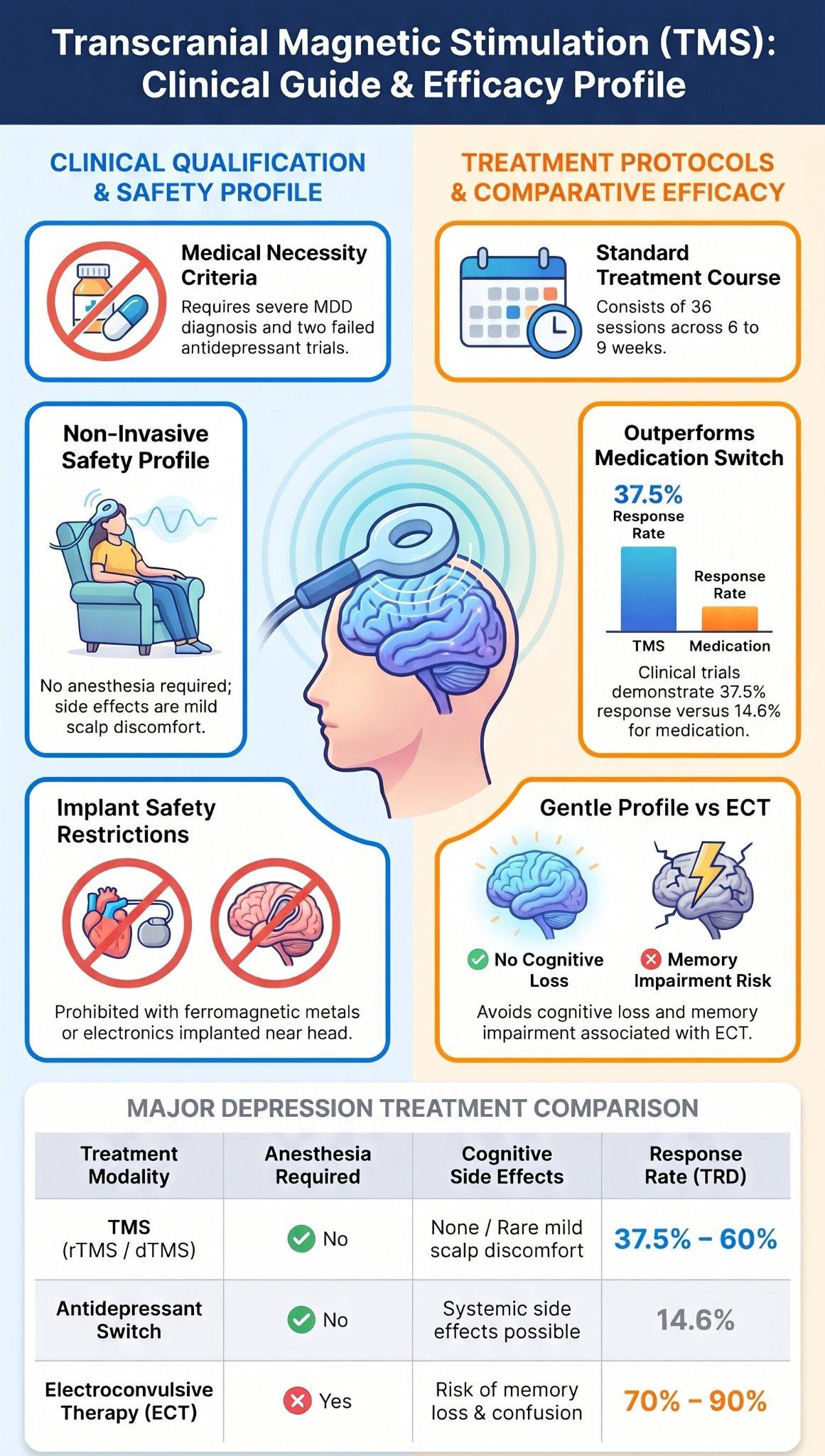
A person may be considered for NeuroStar Advanced TMS Therapy when they have a confirmed diagnosis of major depressive disorder and have not received enough relief from standard depression treatments. A clinical evaluation is necessary before treatment can begin.
General candidacy considerations include:
- Diagnosis: A confirmed diagnosis of major depressive disorder.
- Treatment history: An inadequate response to appropriate antidepressant treatment or difficulty tolerating medication.
- Medical history: No medical condition or implanted device that makes TMS unsafe.
- Safety screening: Review of seizure history, neurological conditions, and metal or implants near the head.
- Treatment commitment: The ability to attend the recommended treatment schedule.
NeuroStar may not be appropriate for people with certain non-removable conductive metal near the head, deep brain implants, cochlear implants, or medical conditions that increase seizure risk. A history of seizures or neurological disorders requires careful review by the provider.
TMS is not generally intended as a first-line treatment for mild depression or for people who respond well to standard treatment.
The only way to determine candidacy is through an individual clinical assessment. Meeting these general criteria does not guarantee treatment eligibility, insurance coverage, or a specific result.
Next Steps for Exploring Care at TMS of Tennessee
If depression symptoms haven’t improved with previous treatment, deciding what to try next can be difficult. You don’t have to make that decision alone. A clinical consultation can help clarify if NeuroStar Advanced TMS Therapy is an appropriate option.
TMS of Tennessee offers in-office NeuroStar treatment at its Franklin location. The clinical team can review your treatment history, explain the process, and discuss insurance coverage or financing options. Contact TMS of Tennessee to schedule a consultation and learn if NeuroStar may be right for you.
FAQ
Does TMS treatment for depression hurt?
TMS does not involve surgery or anesthesia, but some patients may feel tapping or discomfort where the treatment coil rests against the scalp. Headaches and facial muscle twitching may also occur. These side effects are usually temporary. Patients should tell their clinician if the discomfort persists or becomes difficult to tolerate.
How many TMS sessions are needed for depression?
A standard TMS course usually involves weekday appointments over several weeks. The exact schedule depends on the treatment protocol and the provider. At TMS of Tennessee, NeuroStar sessions typically last about 19 minutes and take place five days per week for seven weeks.
Can TMS replace antidepressants?
TMS does not always replace antidepressant medication. It may be used alongside medication or psychotherapy, depending on the patient’s treatment needs. The treating clinician should guide any medication changes. Patients should not stop taking or change the dose of a prescribed medication without consulting the prescriber.
Is TMS safer than ECT?
TMS and ECT involve different procedures and risks, so neither treatment is safer for every patient. TMS does not require general anesthesia or intentionally induce a seizure, although a seizure is a rare potential complication.
ECT involves a controlled seizure under general anesthesia and may be considered for certain severe cases of depression. A clinician can explain the potential benefits and risks of each treatment based on the patient’s medical history.
What happens if TMS does not work?
If TMS does not provide enough improvement, the treating clinician may review the patient’s symptoms, treatment settings, and completed sessions. The clinician may also assess other health factors that could affect the treatment response.
Based on this review, the clinician can discuss other options, such as medication adjustments or psychotherapy. A lack of response to TMS does not rule out the possibility of improvement with other treatments.