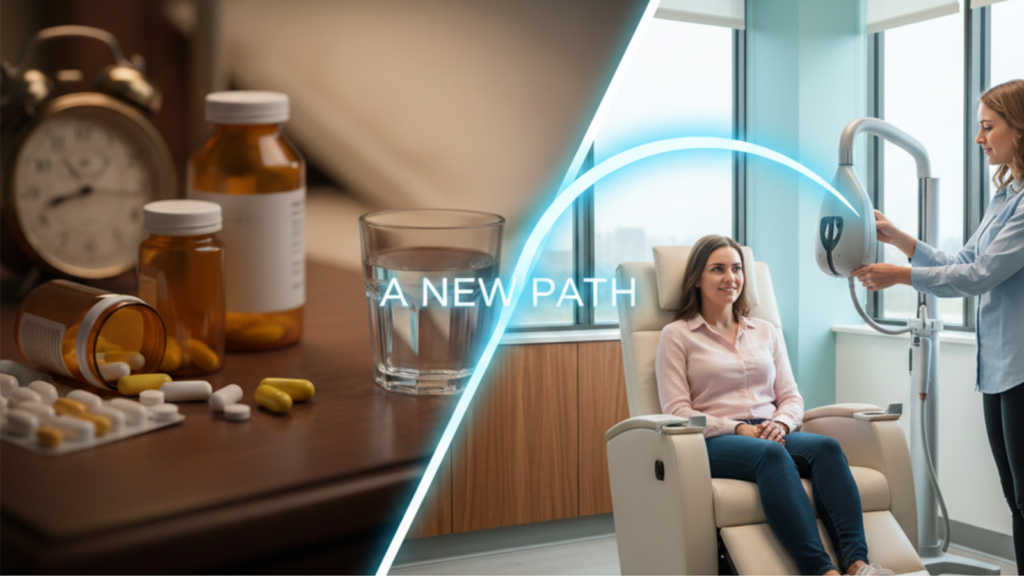
When antidepressants don’t help, doctors often suggest trying a different one. But for some people, the side effects are too much, or the relief just never comes. Transcranial magnetic stimulation (TMS) for depression is a treatment designed for this exact problem. It’s approved by the FDA for major depression that hasn’t responded to medication.
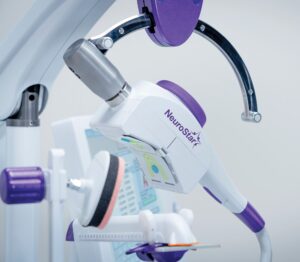
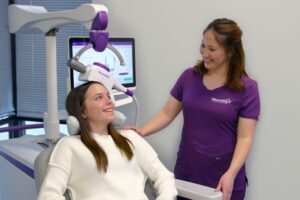
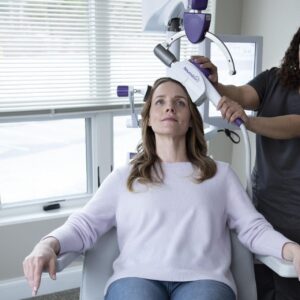
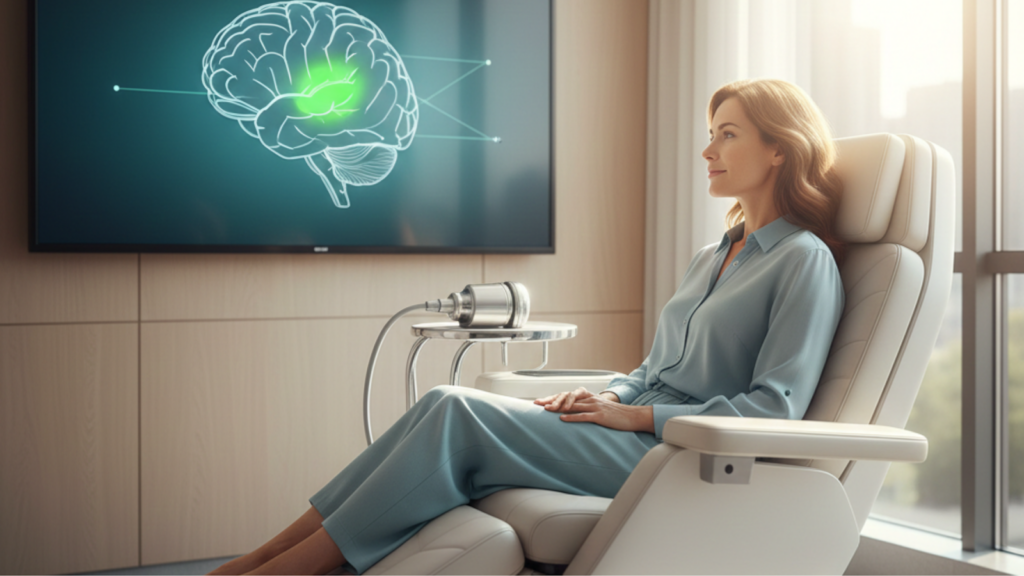
During TMS, a magnetic coil is placed against your scalp. It delivers pulses to the parts of your brain linked to mood. You’re awake, there’s no surgery, and you can drive yourself home afterward. If the search for the right medication has been exhausting, consider whether a treatment without pills might be worth exploring.
Key Takeaways
- TMS delivers magnetic stimulation directly to brain regions involved in mood. This approach bypasses the digestive system and bloodstream, which often means avoiding the systemic side effects of oral medications.
- The treatment is clinically validated for major depressive disorder that hasn’t improved after trying several antidepressants. It’s a recognized option when standard medication approaches aren’t effective.
- A full course of TMS requires a commitment of several weeks, with daily sessions. For many patients, benefits can persist for months, though some require maintenance sessions.
How They Work: A Mechanistic Divide
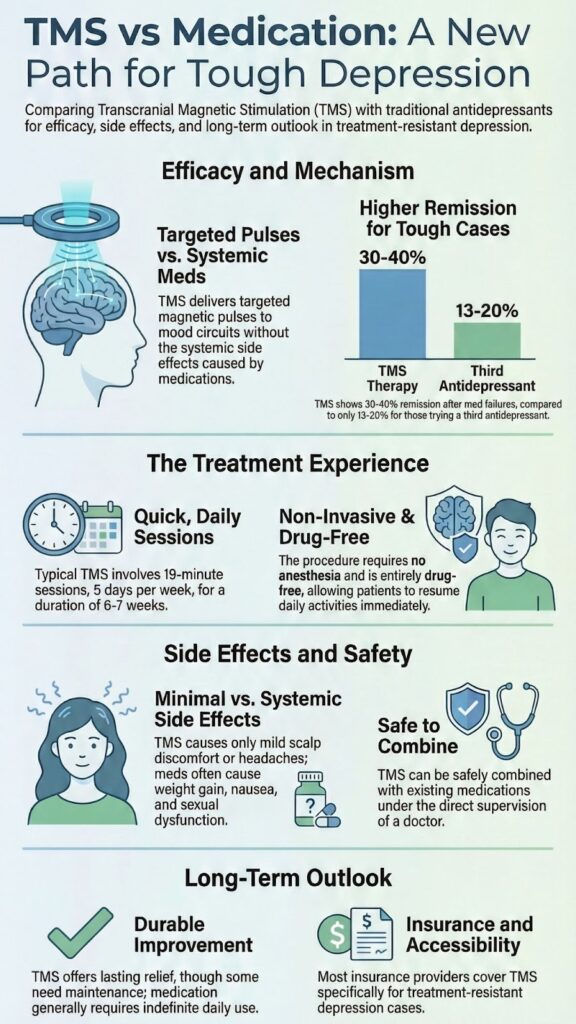
The fundamental difference between these treatments explains the different experiences you have with them. Antidepressant medication is a biochemical process. You take a pill daily. The drug works by altering the levels of certain chemicals in your brain, like serotonin or norepinephrine.
“While antidepressant medications alter neurotransmitter levels throughout the body, transcranial magnetic stimulation (TMS) acts locally on specific brain circuits involved in mood regulation, modulating functional connectivity and neurotransmitter activity in targeted areas like the prefrontal cortex that are dysfunctional in depression and anxiety rather than broadly changing chemical systems across the whole body. ” – March Dubin, NCBI [1].
This targeted approach helps clarify why TMS avoids many systemic effects seen with oral antidepressants. TMS therapy is a physical, localized process. During a session, a magnetic coil is placed on your scalp. It delivers pulses to specific brain regions involved in mood regulation.
It helps improve activity in underactive mood-related circuits, explained in more detail when breaking down how TMS therapy works at a neurological level.
There is no drug in your bloodstream. You’re awake for the entire 19-minute session, and you can leave immediately afterward. Side effects are typically limited to the treatment site, like mild scalp discomfort or a headache.
Side Effects: Systemic vs. Localized
| Feature | TMS therapy | Oral antidepressants |
| Common side effects | Scalp discomfort, temporary headache | Weight gain, sexual dysfunction, nausea, insomnia |
| Bodily impact | Localized, non-systemic | Whole-body, systemic |
| Cognitive effects | Typically minimal | Can include drowsiness or “brain fog” |
| Withdrawal | Not applicable | Common symptoms upon discontinuation |
Patients often report very different experiences with side effects between these two treatments. The side effects from TMS are generally limited and temporary.
Common side effects include mild scalp discomfort, tension-type headache, fatigue, lightheadedness or muscle twitching. Serious risks are rare. Because the machine makes a loud clicking sound, ear protection is worn during treatment.
The most serious potential risk, a seizure, is extremely rare, occurring in far less than 1 in 1,000 treatments, which supports published clinical findings on is TMS Therapy Safe in properly screened patients. Clinics screen patients carefully to minimize this risk.
TMS is not associated with the body-wide side effects commonly linked to medications, such as weight gain, sexual dysfunction, or emotional numbing.
Antidepressant medications work by circulating chemicals throughout your entire body. This systemic action is why their side effects are so broad.
- Nausea
- drowsiness
- insomnia
- sexual problems
Some patients report feeling emotionally dull or flat, rather than just less depressed. Stopping these medications, particularly if done too quickly, can lead to withdrawal symptoms including dizziness and sensory disturbances often described as “brain zaps.”
Efficacy in the Tough Cases
For many people, the first antidepressant prescribed works. For a significant number, it doesn’t. The typical next step is to try a second medication, or a third, often from a different class.
During a TMS session, you might feel a tapping sensation or mild discomfort where the coil is placed. These sensations do not affect how long it takes for TMS to work, as treatment results are tied to cumulative brain stimulation rather than single-session intensity.
Each trial requires 6 to 8 weeks to see if it helps. This phase, often called treatment-resistant depression (TRD), is where TMS is specifically indicated. Clinical data show that outcomes decline with each failed medication trial.
“After two unsuccessful medication trials, the likelihood of achieving remission with a third is only 13–20%. In stark contrast. Research consistently demonstrates that 30–40% of these individuals achieve full remission with TMS” – Mindfully Health [2].
The clinical data for this group is strong. For example, large-scale studies of NeuroStar Advanced Therapy TMS showed that roughly most of the patients responded to treatment, even after multiple antidepressants had failed to provide relief.
The results suggest that when adjusting brain chemistry with pills isn’t working, directly stimulating key neural circuits can be effective. Some patients experience sustained improvement for many months; however, the duration of benefit can vary, and some individuals may need maintenance sessions.
This is a key difference from medication, where the therapeutic effect usually stops soon after you stop taking the pill. For appropriate candidates, TMS isn’t merely another option, for some patients, it can provide meaningful improvement when medications haven’t helped. It offers a potential reset, rather than ongoing daily management.
Logistical and Financial Considerations
Any doctor who can write a prescription can provide them. The initial hurdle is low, but this is an ongoing, often indefinite, expense.
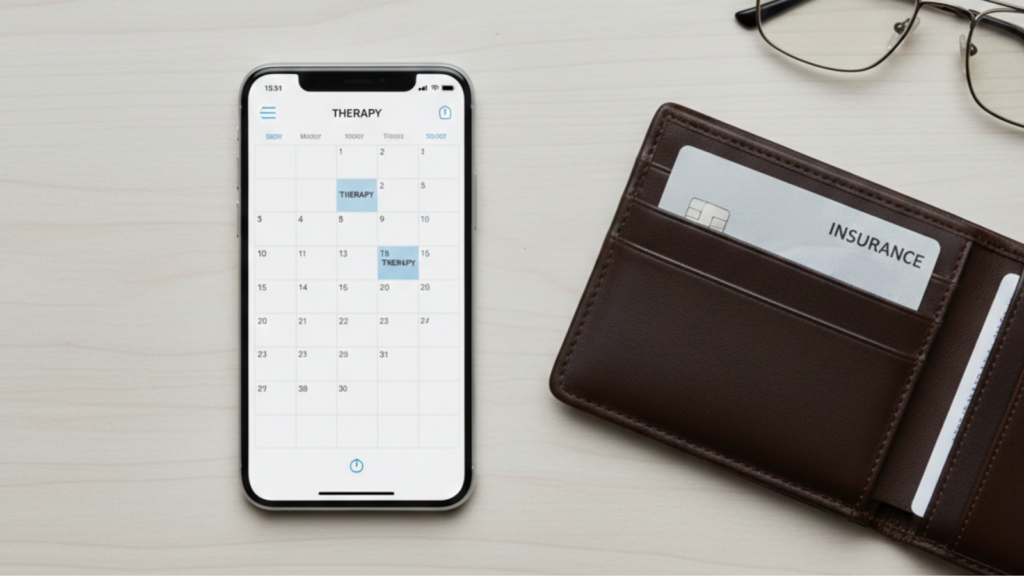
Many major U.S. insurance plans may cover TMS for eligible patients, but coverage rules and requirements vary, and authorization is often needed.
Clinics that specialize in this care, such as TMS Tennessee, routinely assist patients with insurance authorization and documentation as part of the treatment process. The other major consideration is the time commitment.
A standard protocol requires you to come to the clinic for about 20 minutes, five days a week, for six to seven weeks. This requires planning around work or other responsibilities. However, there is no sedation or recovery period, so you can drive yourself and return to your normal activities immediately after each session.
A Drug-Free Next Step for Treatment-Resistant Depression

When depression doesn’t improve with medication, it isn’t a failure. It often means the biological pathways involved require a different type of intervention.
Transcranial magnetic stimulation (TMS) provides a non-drug option. It targets the brain’s mood-regulating circuits directly, avoiding the body-wide side effects that come with oral medications.
For patients who haven’t found relief after several medication trials, TMS isn’t just another pill. It’s a fundamentally different approach, using physical neuromodulation instead of biochemistry.
It’s approved for treatment-resistant depression, and its effectiveness is supported by data from patients for whom standard drugs have already failed.
The treatment does require a dedicated time commitment for several weeks. However, the potential for durable improvement after the course ends makes it a serious consideration.
FAQ
Is TMS therapy safer than antidepressant medication for long-term treatment?
TMS therapy has a strong safety profile because it is a noninvasive brain stimulation that does not require daily pills.
Unlike antidepressant medication, it is not commonly linked to weight gain, sexual dysfunction, or medication dependency concerns.
Most TMS side effects are mild, such as temporary headache or scalp discomfort. Many people choose this drug free depression treatment for that reason.
How does TMS treatment for depression compare to SSRIs or SNRIs?
SSRIs vs TMS and SNRIs comparison often focuses on how each treatment works in the body.
Antidepressant medication affects serotonin, dopamine, and norepinephrine levels throughout the brain and body, which can cause antidepressant side effects.
TMS treatment for depression uses targeted magnetic pulses therapy to stimulate mood-related brain areas directly without affecting the whole body.
What does a typical TMS treatment schedule involve?
A typical TMS treatment schedule includes outpatient sessions five days a week for several weeks. Each visit follows a structured TMS treatment protocol used for treatment-resistant depression TMS care.
Sessions usually last under half an hour, and people can return to normal activities right away. Compared with daily pills vs TMS sessions, this approach is time-limited.
Can TMS be combined with antidepressant medication safely?
Combining TMS with medication is common in psychiatric care. Some patients continue antidepressant medication while receiving neurostimulation for depression, especially if antidepressant remission rates were only partial before.
Doctors monitor medication dosage adjustments and antidepressant drug interactions during treatment. This combined approach may help people with medication-resistant depression who need more than one depression treatment option.
How quickly can mood improve with TMS compared to medication?
Antidepressant onset of action often takes several weeks, and medication adherence challenges can slow progress.
The TMS mood improvement timeline varies, but some people notice steady changes within a few weeks of starting TMS therapy.
Because it directly targets brain circuits, the TMS effectiveness rate may feel different from oral antidepressants comparison, although results differ between individuals.
Final Thoughts on TMS Vs Medication
The next step is a discussion with a psychiatrist or clinician familiar with your case. If your current treatment plan isn’t working, asking about TMS could lead to a targeted, medication-free alternative that may be appropriate in this situation.
If you’re exploring a medication-free option, NeuroStar Advanced TMS Therapy at TMS of Tennessee offers a personalized, non-invasive approach for people with treatment-resistant depression. Sessions are brief, drug-free, and designed around your specific brain activity. Learn more or schedule a consultation.